Personalized dining is becoming a bigger priority in elderly care

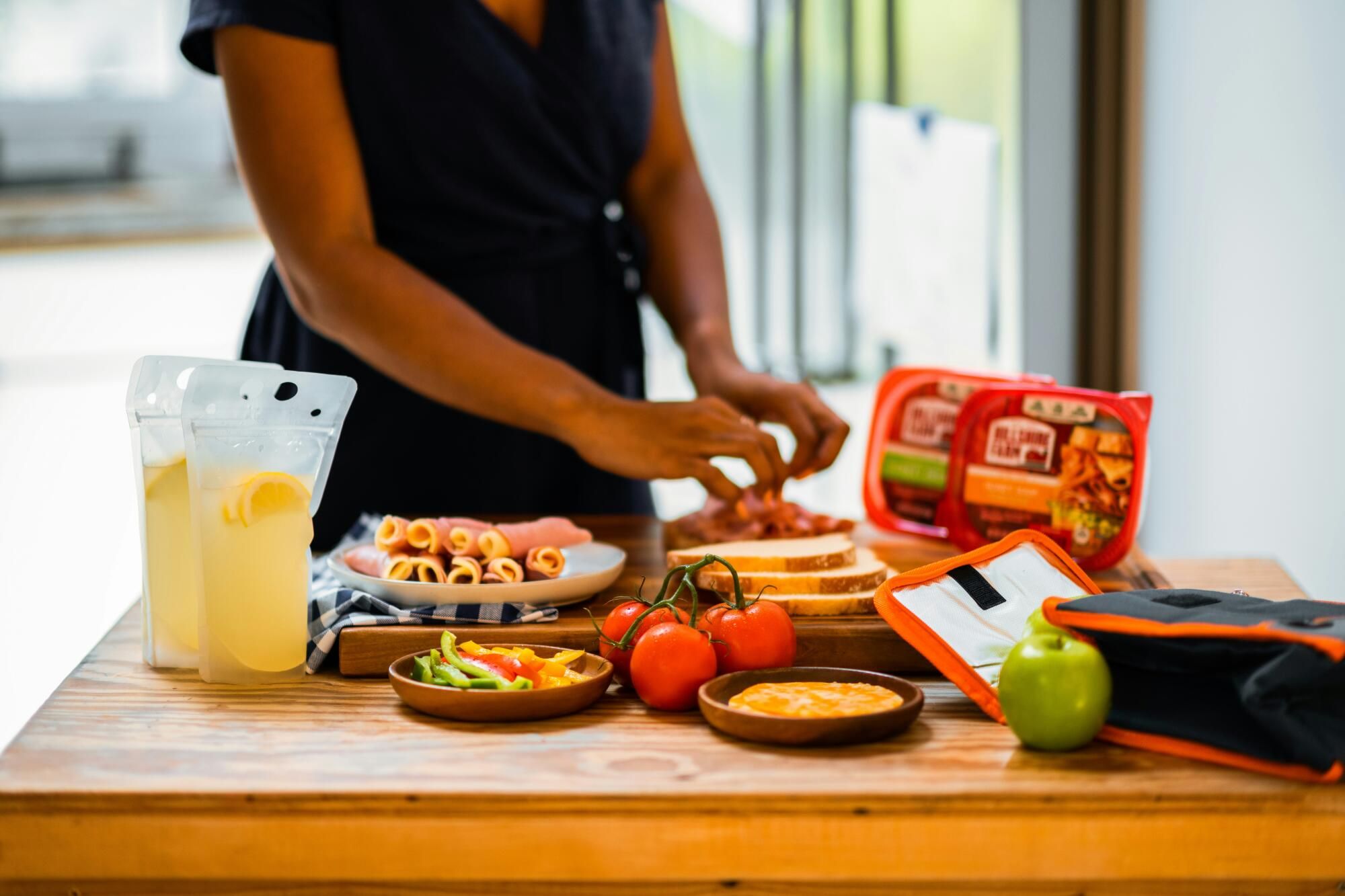
More customized food choices in elderly care are essential to enhancing their nutrition intake, recovery, and chronic disease management. It preserves seniors’ dignity by allowing them choice in what and when to eat at a time when independence has decreased.
The National Council on Aging (NCOA) reported that 7.4 million seniors with disabilities had a twice greater likelihood of food insecurity than their non-disabled counterparts. Those who are more dependent at that age may struggle to shop or cook or have limited appetite. That’s why more access and choice in food can help.
Why Do Personalized Meals Matter for Elderly Care?
Dining innovations in elderly care have made more personalized meals readily available for caretakers. Just because people get older doesn’t mean they don’t have specific food tastes and preferences. One must also consider cultural traditions, as certain dishes and family recipes provoke memories and provide comfort at this time of life.
Caretakers must use food as medicine, as a tailored plan can help seniors manage chronic diseases by reducing:
- Sodium
- Cholesterol
- Blood sugar
The right food choices ensure seniors have enough extra protein for muscle recovery and sufficient vitamin intake to boost their immunity. Doing so will help recovery after illness or injury.
Malnutrition is a serious concern in senior years as people can lose their appetite and suffer severe weight loss or muscle wasting, especially when limited to unappealing facility menus. Tasty, nutrient-dense food can help them stay stronger and resilient.
How Can Caretakers Create Personalized Nutrition for Seniors?
The key to creating custom meal plans for the elderly is understanding who you’re working with and reviewing their medical charts for chronic diseases, such as heart disease or diabetes. Check everyone for signs of chewing or swallowing trouble that requires softer foods. Test them for signs of allergies or food sensitivities, and don’t forget to note cultural and religious dietary rules.
Track seniors’ eating habits for signs of early weight loss, and monitor meal trays to see what and how much food they’re actually eating. You can always adjust a diet plan over time as health needs and preferences change.
Such adjustments may also include providing smaller frequent meals for those with lower appetites. Further adjust by incorporating more vitamin and mineral fortification to mitigate those smaller portions.
Use aged care meal ordering software for easy tracking and food selection to support food management.
Elder Care Dining Should Be as Diverse as the Residents
The link between nutrition and senior well-being in elderly care is clear; food is vital, and people should have options that accommodate their taste and physical needs. That’s why facilities can find out what residents need and want and feed them the type of food they’ll desire to eat and can eat comfortably.
Consider chronic ailments, chewing difficulties, and mealtime preferences to help improve their physical strength and boost immunity. By taking elder feeding seriously, you can improve this time of life and help them adjust while enjoying a good meal.
If you enjoyed this content, check our website for more related insights.