The hidden engineering behind America’s most photographed public plazas

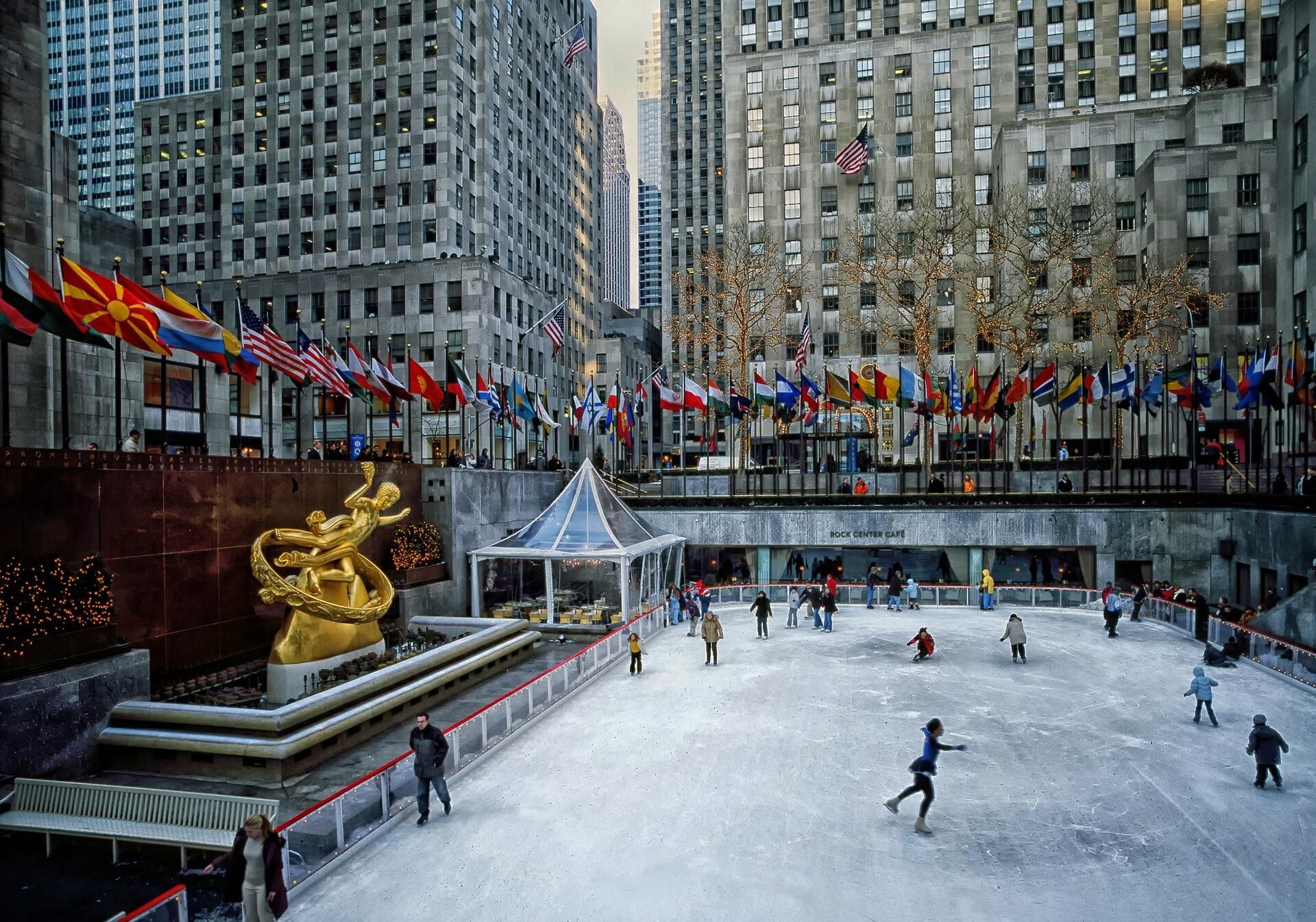
Some ways that America’s most photographed public plazas are engineering marvels are that these foundations support more than buildings, drainage keeps plazas functional, and the fountains require complex infrastructure. Also, think about how many people walk on those pavements every single day!
Have you ever thought about America’s famous public plazas and the hidden engineering that goes into them? You probably live near one of them yourself for years, even decades, and haven’t given a single thought to it.
For example, Times Square is the most visited place in America, with 50 million visitors annually (estimated) and 330,000 people passing through the square daily, according to Historic Towns of America.
Foundations Support More Than Buildings
Photographed American plazas frequently contain structures that require carefully engineered foundations. The following must withstand their own weight as well as environmental forces such as wind, rain, and temperature changes:
- Large sculptures
- Monuments
- Fountains
- Retaining walls
- Canopies
- Architectural features
Engineers evaluate soil conditions and structural loads to determine how these elements can be safely supported. The finished result may look simple, but significant planning can happen underground.
The truth is that these iconic U.S. plazas weren’t put up haphazardly. The engineering of these plazas is astounding, especially if you look deeper into it.
Drainage Keeps Plazas Functional
Water management is one of the most important hidden systems in a public plaza.
Large paved areas can generate substantial runoff during heavy rain. Without proper drainage, water could collect around pedestrian areas, damage landscaping, or create slippery surfaces. Engineers design systems to direct stormwater away from high-traffic areas like:
- Grading
- Drainage channels
- Catch basins
- Pipes
In some locations, sustainable drainage features may also help capture or manage rainfall.
Fountains Require Complex Infrastructure
Decorative fountains are popular features in many major public plazas, but their operation involves much more than visible water. The following work together to keep fountains operating:
- Below-ground pumps
- Filtration systems
- Pipes
- Electrical equipment
- Controls
- Water treatment systems
Engineers must also consider maintenance access, fountain drainage channels, and water conservation. A fountain that appears to be a simple architectural feature can actually function as a sophisticated mechanical system.
Pavement Must Handle Heavy Foot Traffic
Public plazas can experience millions of footsteps over time. Engineers and landscape architects select paving materials based on:
- Durability
- Drainage
- Accessibility
- Maintenance requirements
- Expected pedestrian volumes
The underlying base must also be properly prepared to prevent settlement, cracking, and uneven surfaces. These decisions influence both the appearance and longevity of a plaza.
Famous Public Plazas And the Engineering Behind Them
It’s easy to dismiss things as simple as a public plaza. However, when you look deeper into it, you realize these famous public plazas come with their own design secrets. They are engineering marvels, in fact.
Of course, no one reports on these engineering details in articles or can even show them in photographs, but it’s important to be aware of them, so you can appreciate these monuments to human ingenuity even more. Plaza design secrets are fascinating.
Please check out related articles on our website for more interesting content.





