MTA Driver Raises Concerns About Fare Evasion on Baltimore Buses
MTA Driver Says Operators Are Allegedly Told Not to Confront Riders Who Refuse to Pay

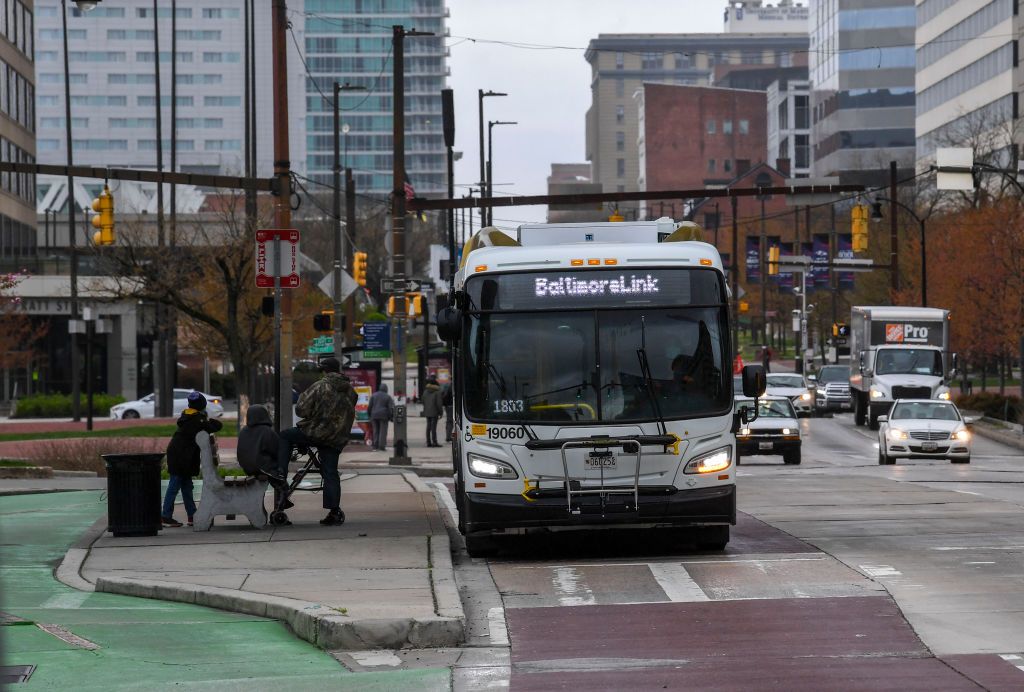
A Maryland Transit Administration bus driver says fare evasion has become routine on Baltimore buses and believes the lack of enforcement contributes to disruptive and sometimes dangerous behavior onboard.
FOX Baltimore reports that the driver, who spoke anonymously because he remains employed by the state, described passengers playing loud music, smoking marijuana and crack, drinking alcohol, using profanity around children and urinating on buses.
He said drivers are instructed to announce the $2 fare but continue operating if a passenger refuses to pay. Operators are discouraged from confronting riders because fare disputes could escalate and create safety risks.
According to the alleged driver as reported by Fox Baltimore, the policy has made paying optional for many passengers. He estimated that only 15% to 20% of riders pay, although that figure could not be independently confirmed.
MTA officials said fare evasion is prohibited, but bus operators are expected to prioritize safety rather than physically intervene or argue with passengers. Transit police conduct routine checks and may issue citations, remove riders, make arrests or ban people who violate rules against smoking, drinking, harassment and disruptive behavior.
The alleged driver said operators record paid and unpaid boardings using buttons on the fare box. He claimed the unpaid-fare button is pressed far more frequently throughout his shifts.
The complaints come as MTA prepares for new leadership. Former Maryland delegate Tony Bridges has been selected to lead the agency following the departure of Administrator Holly Arnold.
Fox Baltimore reports that the driver hopes the leadership change will bring increased attention to fare enforcement, passenger conduct and concerns raised by operators. He said restoring accountability is necessary to improve safety and public confidence in Baltimore’s transit system.