Common warning signs that a workplace safety program is failing

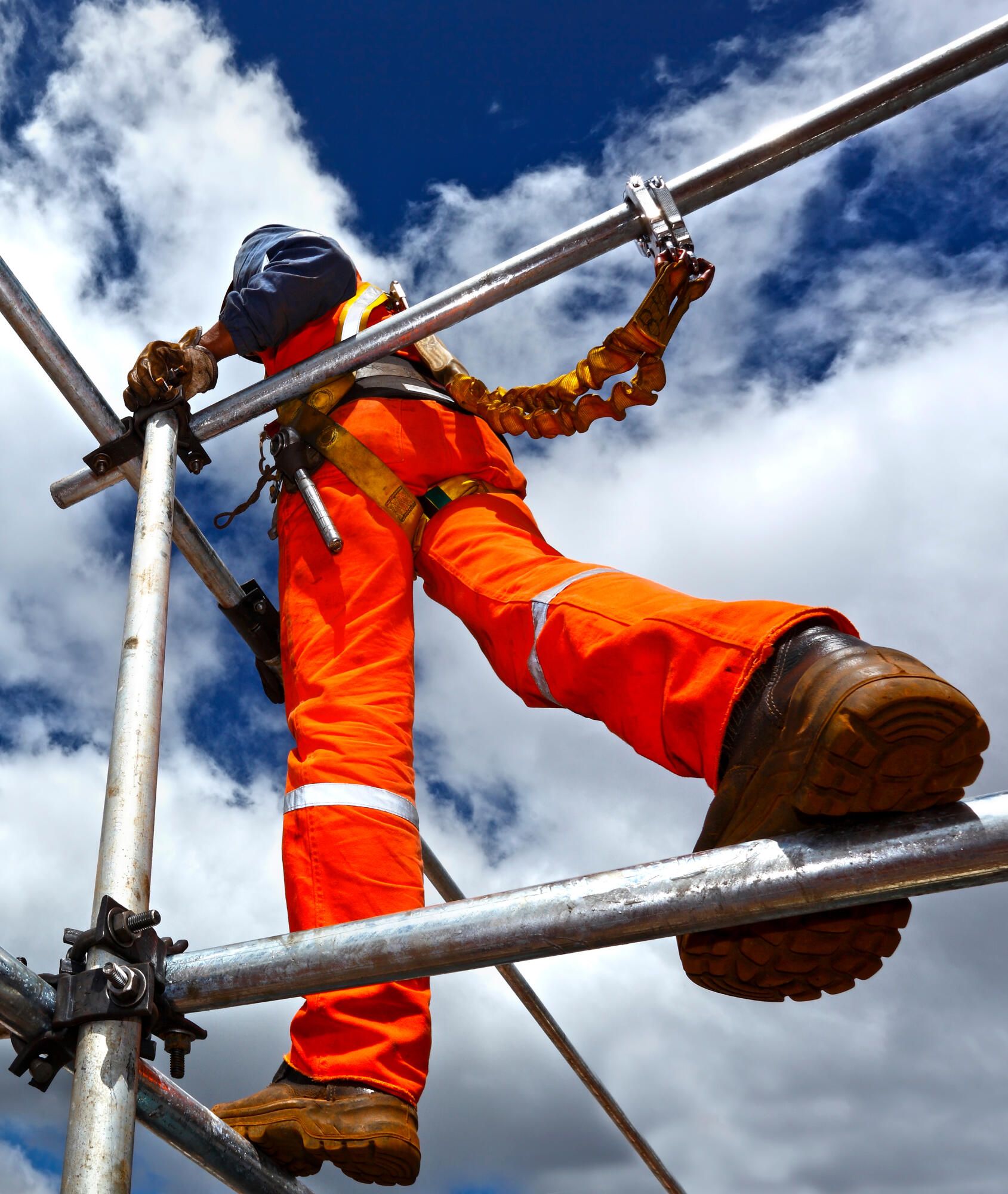
The clearest warning signs that a workplace safety program is failing are a decline in near-miss reports, recurring corrective actions, and leadership seeing only lagging indicators. A culture where hazards are discussed informally and never documented, along with a lack of safety culture in the workplace, can make going to work a dangerous occupation.
In 2024, the Bureau of Labor Statistics (BLS) recorded 2.5 million nonfatal injury and illness cases in private companies. This is a 3.1% reduction from 2023. Every business needs to play its part to ensure those numbers keep falling through effective workplace injury prevention programs.
Warning Sign 1: Near-Miss Reports Have Dried Up
A drop in near-miss reporting almost never means fewer near misses. It just means people have stopped telling you.
Near misses are the best data a safety function will ever receive. They’re incidents with all the causal information and none of the cost. A declining count is the clearest early indicator of safety problems developing beneath the surface. OSHA may not require near misses to be logged, but your safety at work policy definitely should.
Warning Sign 2: The Same Corrective Actions Keep Reappearing
Retraining, toolbox talks, and reminders to be careful are the default response when nobody has diagnosed the actual cause. If the same hazard generates the same action three times, the control isn’t working. If a report flags human error as the root cause, it probably means the investigator never got to the bottom of the problem.
Warning Sign 3: Only Lagging Indicators Get Reported Upward
When boards see recordable injury rates and nothing else, they’re reviewing history. Leading indicators tell you what’s happening now, and they include:
- Inspection completion
- Hazard close-out times
- Training records
- Training participation rates
If your business only focuses on tracking outcomes, you’ll only discover safety at work has degraded when someone gets hurt.
Warning Sign 4: The Data Sits in Places Nobody Compares
When data is not collated, safety problems quickly mount. If incident records live in one system, inspections are done on paper, training is handled by HR, and contractor data sits with procurement, then you’ll never get a clear picture of where you’re at. Building operational safety intelligence means bringing those streams together so the same recurring failure at four locations reads as one problem rather than four unrelated ones.
Warning Sign 5: Workers Say the Program Is Fine
Silence in a safety survey is not endorsement. In businesses where safety reporting impacts schedules, bonuses, or reputation, people learn what not to raise. A safety culture in the workplace is better measured by whether anyone has recently reported something inconvenient and had it taken seriously.
Warning Sign 6: Compliance Is Treated as the Goal
Meeting safety at work standards is the baseline expectation. Work safety programs that optimize for audit scores tend to produce good documentation and unchanged conditions, because the measurement has replaced the outcome.
Fixing a Failing Workplace Safety Program
Effective workplace injury prevention starts with restoring the flow of information. Make reporting frictionless, respond visibly to incoming data, and measure leading indicators alongside outcomes. Don’t wait for a major accident to discover your workplace safety program has failed.
If you’ve enjoyed this article, explore the rest of our blog for more practical guidance on building safer workplaces.





