Highway merge areas continue to be a hotspot for truck accidents

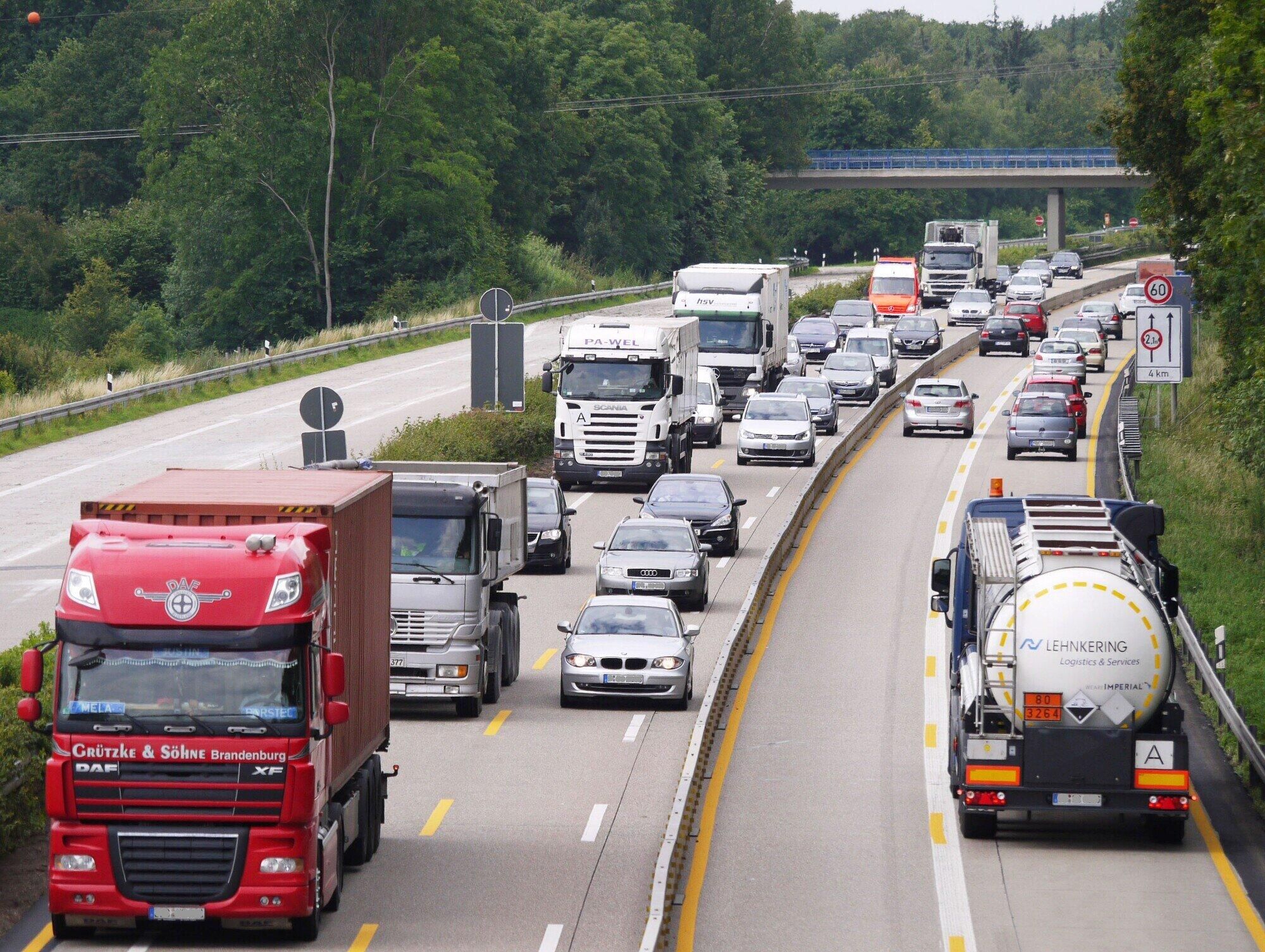
Highway merge areas continue to be a hotspot for truck accidents because merging creates unique challenges for commercial trucks, and passenger vehicle behavior often increases the risk. Road design can also make merge areas more hazardous, and reducing merge-area truck accidents requires shared responsibility.
According to the US Department of Transportation (DOT), traffic deaths fell to record lows in 2025. There were an estimated 36,640 traffic fatalities, which was a 6.7% decrease from 2024. The road is far from being completely safe, though, and accidents frequently occur in high-speed places, such as the highway.
In fact, highway merge areas are a hotspot for truck accidents.
Why Does Merging Create Unique Challenges for Commercial Trucks?
Highway merge lane areas require drivers to make quick decisions about speed, spacing, and lane position, but these maneuvers are far more complex for commercial trucks. A fully loaded tractor-trailer needs significantly more time and distance to accelerate, brake, and change lanes safely.
Merging traffic often enters the highway at varying speeds, too, and this forces truck drivers to constantly adjust to unpredictable conditions. The following can further complicate the situation:
- Limited acceleration lanes
- Heavy congestion
- Drivers entering too slowly
Passenger Vehicle Behavior Often Increases the Risk
Many merge-area truck accidents involve actions by passenger vehicle drivers rather than mistakes made solely by truck operators. Drivers frequently speed up to pass a truck before the merge point, linger in blind spots, or abruptly cut in front of a tractor-trailer without leaving enough following distance. They may also hesitate on entrance ramps and create uncertainty for everyone around them.
Since trucks can’t stop or swerve as easily as smaller vehicles, these sudden movements can quickly escalate into dangerous situations. Defensive driving on both sides is therefore essential for truck safety.
Can Road Design Make Merge Areas More Hazardous?
Not every highway merge is designed equally; some entrance ramps are short, while others have sharp curves or poor sight lines. Construction zones can also temporarily eliminate acceleration lanes or narrow travel lanes, and this leaves less room for trucks to maneuver safely. In addition, high traffic volumes during rush hour can eliminate the gaps needed for smooth merging.
Transportation agencies continually evaluate roadway designs to improve safety, but older highways often have traffic accident hotspots that can’t be easily corrected. Oklahoma City trucking lawyers emphasize the importance of better signage, longer acceleration lanes, improved lighting, and modern interchange designs.
Reducing Merge-Area Truck Accidents Requires Shared Responsibility
Road safety measures must be taken by truck drivers, passenger vehicle drivers, employers, and transportation agencies for optimal highway accident prevention. For example, companies can highlight defensive driving, while road agencies can contribute through infrastructure improvements.
No single strategy can eliminate every collision, but a combination of various strategies can significantly reduce the number of truck accidents on highway merge areas.
Make Highway Merge Areas Safer
Commercial trucks are large, meaning that they can cause serious damage. They often have collisions in highway merge areas, as they require more time and space to maneuver. By making these areas safer, we can reduce the number of accidents.
Read more of our pages now if you found this article informative.





