Could your conservatory be wasting energy without you realizing it?

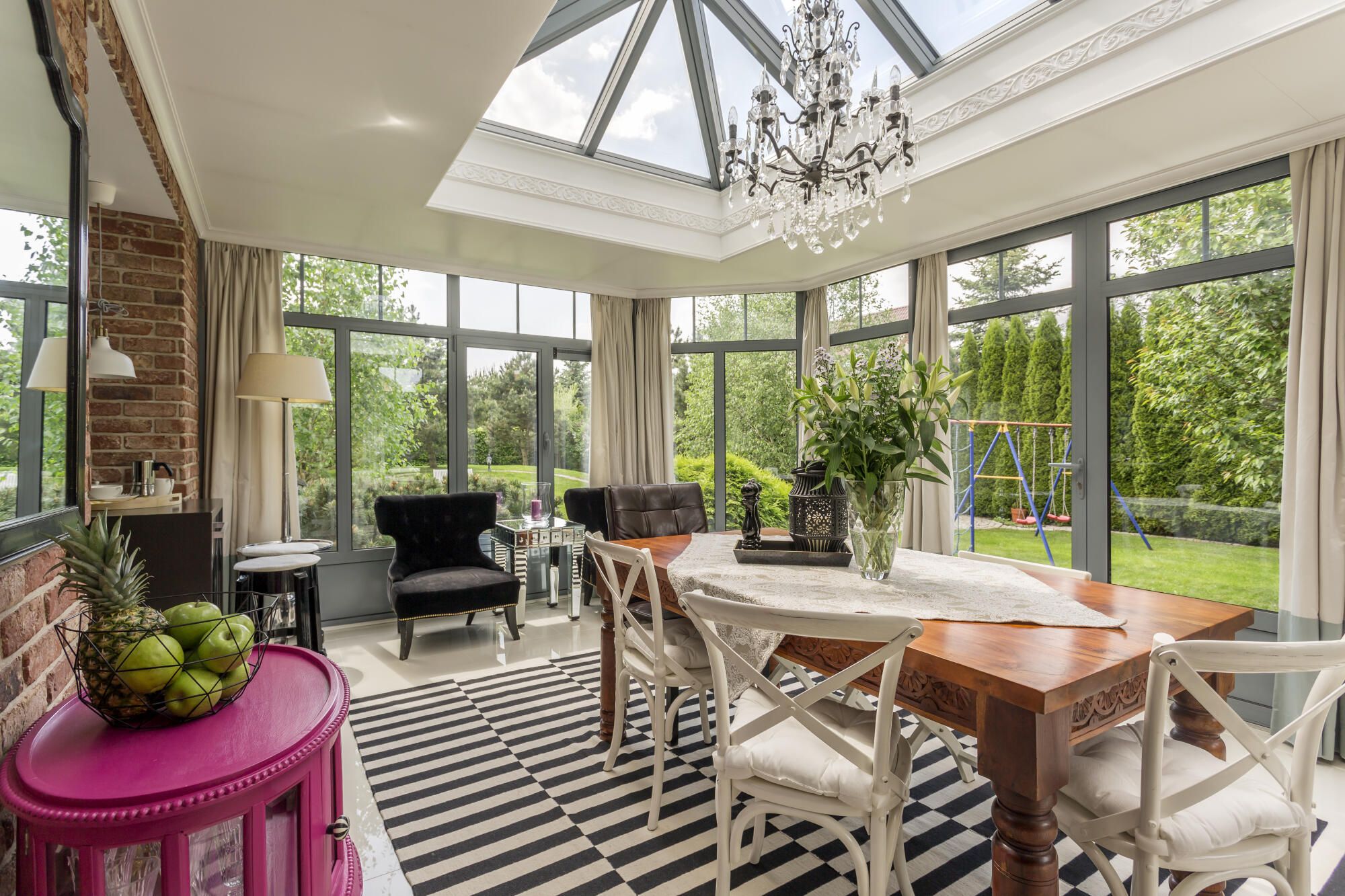
Some reasons why you need to think about cost-saving conservatory solutions are that glass can cause heat loss, summer heat can be an equal concern, and the roof might be a weak point. Heating an empty conservatory can be a waste of money as well.
A conservatory is a great spot for folks to enjoy the outdoors without being inundated with bugs, extreme weather, or other adverse conditions. You can get natural light and a view of the outdoors without actually being completely outside.
However, it can sometimes be a bit too chilly in the conservatory. Maybe your conservatory insulation isn’t up to par, and that’s causing unnecessary energy waste.
It’s time to learn more about how to make a more energy-efficient conservatory. This way, you can reduce conservatory energy waste and save money while enjoying the peace of having such a grand space.
Glass Can Create Heat Loss
Traditional conservatories often contain large areas of glass. While windows allow sunlight into the room, they can also allow heat to escape during colder weather.
Older glazing may have significantly lower thermal performance than modern energy-efficient options. If a conservatory feels unusually cold in winter despite the heating being on, inefficient glazing could be contributing to the problem.
Summer Heat Can Be An Equal Concern
Energy efficiency is not only about keeping warmth inside.
During sunny weather, large glass areas can allow substantial solar heat into a conservatory. Temperatures can rise quickly, making the space uncomfortable and potentially causing homeowners to rely heavily on fans or air conditioning.
The following can help reduce excessive heat gain:
- External shading
- Blinds
- Reflective treatments
- Carefully managed ventilation
The Roof May Be A Weak Point
Conservatory roofs can have a major effect on overall comfort.
Older glazed roofs may lose heat during winter and allow significant solar gain during summer. Upgrading the roof structure or improving its thermal performance can make a noticeable difference.
Conservatory roof replacement specialists can help you figure out if this is an issue for your space. Homeowners should consider the entire building envelope rather than focusing on one component in isolation.
Doors and Seals Matter
Small gaps around doors, windows, and other openings can contribute to unwanted air leakage.
Worn seals, poorly fitted frames, or damaged weatherstripping may allow conditioned air to escape. These problems can be difficult to notice because the openings may be small, yet they can affect comfort and heating or cooling demand over time.
Inspecting seals and addressing obvious drafts can be a relatively straightforward improvement.
Heating an Empty Room Can Waste Energy
Conservatories are often used differently from the rest of the home.
If the space is occupied only occasionally, maintaining the same temperature as the main living areas may not always be necessary. Smart controls, zoning, timers, and appropriate thermostat settings can help homeowners manage heating more efficiently.
Build an Energy-Efficient Conservatory
It’s nice to have a space like the conservatory where you can enjoy the outdoors, but you also don’t want to waste too much money heating or cooling it. Maximize conservatory efficiency by using our tips above.
Please check out related articles on our website.





