Emmarts United Methodist Church | America 250 Baltimore Landmarks
America 250: Emmarts United Methodist Church and Maryland’s Underground Railroad History

- Emmarts church has 200+ year history tied to local abolitionist movement and the Underground Railroad.
- Landowner Caleb Emmarts provided refuge for enslaved people seeking freedom in his home.
- Church members actively supported the abolitionist cause and efforts to purchase freedom for enslaved individuals.
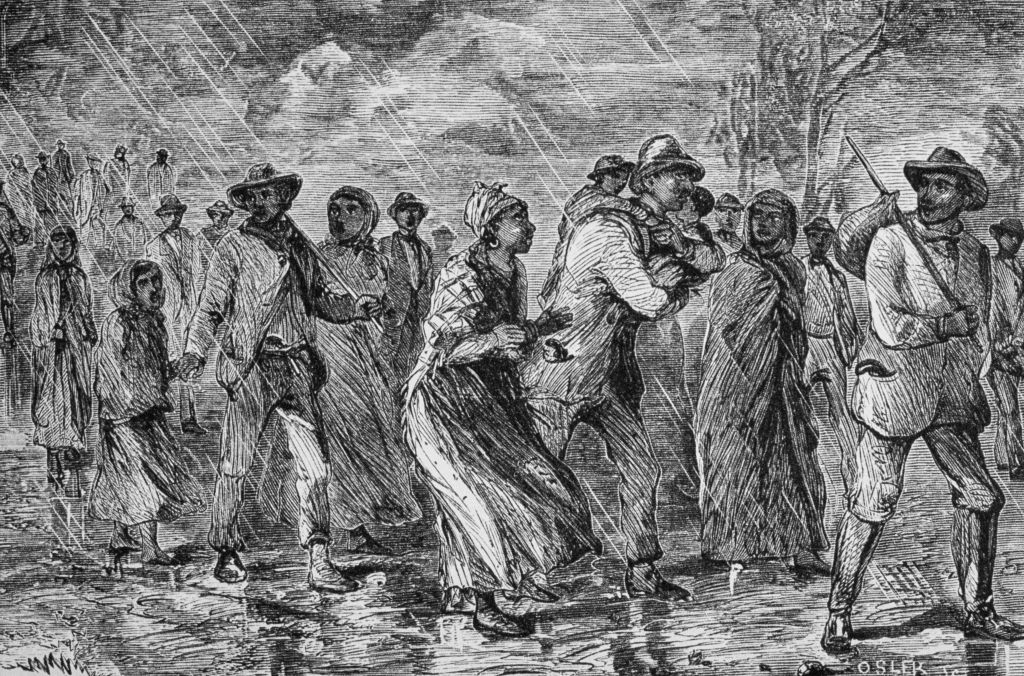
As America commemorates its 250th anniversary, Radio One Baltimore is highlighting the landmarks that tell the stories of courage, resilience and the people who helped shape our nation’s history. Among those sites is Emmarts United Methodist Church in Woodlawn, a historic congregation with deep ties to Maryland’s abolitionist movement and the Underground Railroad.
Located at the intersection of Rolling and Dogwood roads, Emmarts United Methodist Church traces its roots back more than 200 years. Long before the current church stood on the property, Methodist worship services were held in nearby homes and schoolhouses, serving families throughout the White Grounds community in western Baltimore County.
The church’s history is closely tied to Caleb Emmarts, a local landowner who donated the property where the church was built. Historical accounts and artifacts discovered at the nearby Emmarts-Pierpont House suggest that Caleb Emmarts played an active role in the Underground Railroad, providing refuge to enslaved people seeking freedom.
After purchasing the historic home in 1980, owners Jeff and Shirley Supik uncovered evidence that supports its connection to the Underground Railroad. Among the discoveries was a brick bearing a cross encircled by a ring with outstretched arms, a symbol believed to have identified the home as a safe haven for freedom seekers.
According to local historians, Caleb Emmarts hid runaway slaves in the home’s basement while helping them continue their journey north. Though stories have long circulated that fugitives were also hidden inside the church itself, historians note that some of those claims remain difficult to verify because parts of the current church, including its bell tower, were constructed after slavery had ended in Maryland.
What is well documented, however, is the role church members played in helping enslaved people escape. Nicolas Smith, a local cooper and member of the church community, reportedly concealed freedom seekers inside barrels before transporting them toward the Pennsylvania border. Other members of the Emmarts family worked to raise money to purchase the freedom of enslaved individuals living in the area.
The church also reflects the complex history of race and religion in early Maryland. Historical records indicate the original sanctuary included a gallery where Black worshippers sat separately, a common practice during that era. Despite those divisions, many members of the congregation actively supported the abolitionist movement and efforts to end slavery.
Today, Emmarts United Methodist Church serves a diverse congregation while preserving its rich history. Community members and preservationists continue working to restore the nearby Emmarts-Pierpont House and recognize the surrounding area, including Union Bethel AME Church, as an important part of Maryland’s Underground Railroad heritage. Click here for more.





