Farm-to-table is moving beyond restaurants

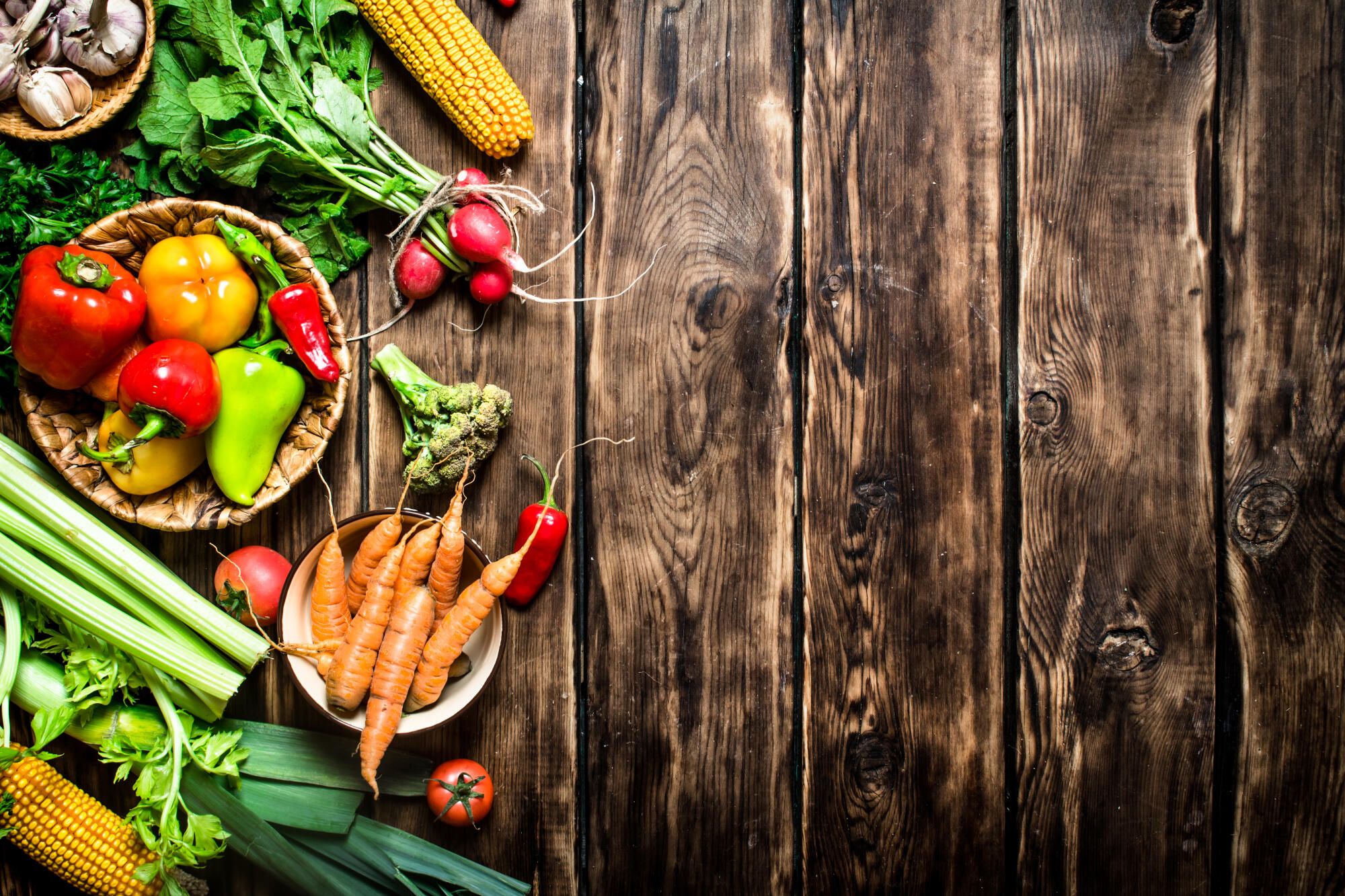
Farm-to-table is moving beyond restaurants by having farm-to-school programs bring local food into classrooms, and hospitals are turning local sourcing into a healthcare strategy. Food hubs are also making farm-to-table more scalable, and farm stops and direct retail are changing how consumers shop.
The USDA reports that the net farm income for 2026 is forecast at $153.4 billion. While it’s declining slightly from 2025, it still doesn’t change the strong farm-to-table movement.
In fact, this movement is going beyond restaurants, and you’ll see it in many other places now. Local food production is reaching into various areas of communities.
Are Farm-to-School Programs Bringing Local Food Into Classrooms?
Farm-to-table is showing up in schools more now, where locally sourced food can become part of both cafeteria meals and broader educational programs. These initiatives connect students with nearby producers through:
- Local food procurement
- School gardens
- Cooking lessons
- Farm visits
- Agricultural education
This gives farmers another dependable market while helping schools make food more connected to the communities they serve. Kids can learn more about farm products while getting local produce on their lunch trays.
Hospitals Are Turning Local Sourcing Into a Healthcare Strategy
Hospitals and other healthcare facilities are becoming important destinations for locally produced food. Farm-to-institution programs can connect hospitals with nearby farms for fruit, vegetables, dairy, meat, and grains used in patient and cafeteria meals. In addition to sustainable sourcing, some are also incorporating farmers markets, community-supported agriculture drop-off points, and on-site gardens.
The appeal goes beyond freshness, too. Local sourcing can support regional farmers while fitting into broader efforts around nutrition, sustainability, and community health. This makes healthcare an increasingly significant extension of the farm-to-table movement.
Are Food Hubs Making Farm-to-Table More Scalable?
One of the biggest barriers to expanding local food beyond restaurants is logistics. Individual farms may struggle to supply the volume, consistency, storage, or distribution services required by larger buyers. Food hubs can solve that problem with agricultural innovation.
These hubs can aggregate products from multiple producers and handle functions such as storage, processing, distribution, and marketing. This opens opportunities for farmers to sell to schools, hospitals, grocery stores, and other institutions without having to manage every part of the supply chain themselves.
This model effectively turns farm-to-table from a small-scale restaurant philosophy into a broader distribution strategy.
Farm Stops and Direct Retail Are Changing How Consumers Shop
Farm-to-table is also moving directly into retail, as Frantoio Grove is doing. This gives consumers more ways to buy locally produced food without visiting a restaurant or traditional farmers market.
For example, farm stops are brick-and-mortar retail concepts that aggregate products from local farmers and food businesses in one convenient location. Some operate similarly to year-round farmers markets, offering produce alongside prepared foods and other locally made products.
These models can provide farmers with another route to consumers while making local food more accessible to people who may not regularly visit farms or weekend markets.
The Farm-to-Table Movement Is Growing
The concept of farm-to-table is expanding, and it’s giving people from all walks of life access to great produce while educating them about where their ingredients and food come from. This means that you’ll only see bigger things coming from this movement.
If you found this post interesting, then browse the rest of our site now.