The History and Evolution of Baltimore's Mondawmin Mall
America 250: The History and Evolution of Baltimore’s Mondawmin Mall

- Mondawmin Mall's history mirrors the story of urban development and change in the United States.
- The mall has adapted to serve the community's needs, from shopping to transit and public services.
- Mondawmin has weathered challenges, including the 2015 Baltimore unrest, and continues to reinvent itself.
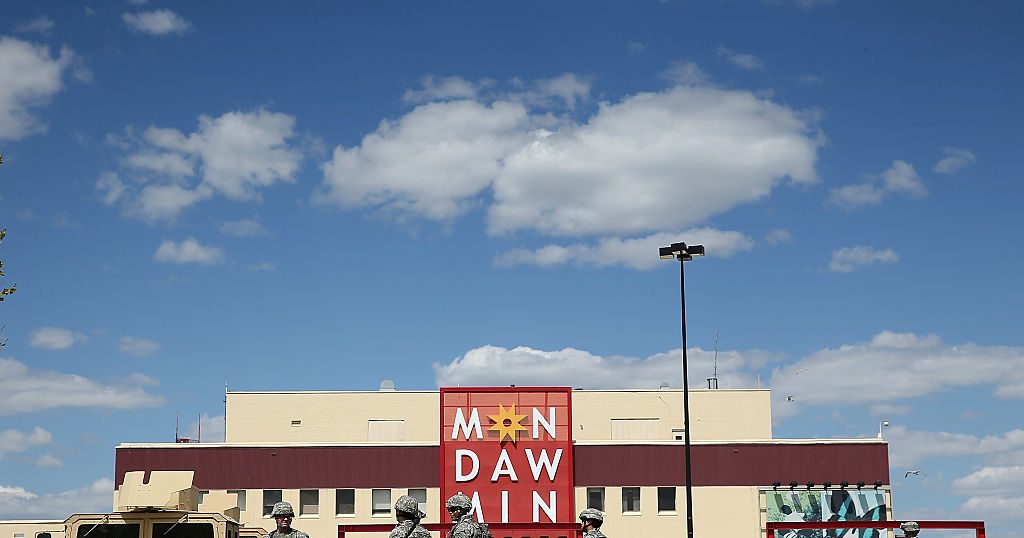
For nearly 70 years, Mondawmin Mall has served as more than just a shopping destination—it has been a gathering place, economic engine, and symbol of resilience for West Baltimore. As America celebrates its 250th anniversary, the history of Mondawmin reflects the broader story of urban development, change, and community reinvention in the United States.
Originally opened in October 1956 as Mondawmin Center, the shopping complex was one of the nation’s early suburban-style retail centers built within a major city. The project was developed by visionary real estate developer James W. Rouse and the Mondawmin Corporation, transforming 46 acres of land into a modern shopping destination for Baltimore residents.
The center takes its name from Mondawmin Manor, a Greek Revival estate built in 1841 that once occupied the property. “Mondawmin” is derived from an Ojibwe word meaning corn, honoring Native American heritage.
When it debuted, Mondawmin Center featured an open-air design with 58 retail spaces anchored by a three-level Sears department store, G.C. Murphy, Food Fair and Penn Fruit supermarkets, along with dozens of specialty shops. It quickly became one of Baltimore’s premier shopping destinations.
As shopping habits evolved, the center underwent a major transformation in 1963. The open-air complex was enclosed, creating the modern indoor shopping experience that led to its new name: Mondawmin Mall.
Like many urban shopping centers, Mondawmin experienced significant changes following the 1968 Baltimore uprising and the wave of suburban migration that reshaped cities across America. Several major retailers departed, including Sears, and the mall faced years of economic challenges. However, repeated investments and renovations helped keep the property active as an important community resource.
The Rouse Company returned ownership to its portfolio in the early 1980s and completed a multimillion-dollar renovation that modernized the property. Decades later, another transformative redevelopment between 2007 and 2008 brought approximately $68 million in improvements, including the addition of new retailers and updated public spaces designed to better serve neighborhood residents.
Mondawmin once housed a Maryland Motor Vehicle Administration branch and has long been connected to one of the city’s busiest transit hubs, making it a central destination for shopping, government services and public transportation.
The mall also became a focal point during the 2015 Baltimore unrest following the death of Freddie Gray. Images of the shopping center were seen nationwide as protests and unrest unfolded in the surrounding neighborhood. Although the mall temporarily closed during the disturbances, it reopened days later and has continued serving the community.
In recent years, Mondawmin has entered another chapter of redevelopment. After Target closed in 2018, the former store was demolished to make way for The Village at Mondawmin, a mixed-use community hub designed to bring new retail, healthcare, services and neighborhood amenities to West Baltimore. Several tenants began opening in 2025, continuing the site’s long tradition of adapting to meet the community’s needs.
Today, nearly seven decades after its grand opening, Mondawmin Mall remains an enduring part of Baltimore’s story. As America marks 250 years of history, the mall stands as a reminder that historic places continue to evolve, reflecting the resilience, perseverance and renewal of the communities they serve.





