Chesapeake Bay Blue Crab Population Surges Nearly 50%
Chesapeake Bay Blue Crab Population Surges Nearly 50% In 2026 Survey

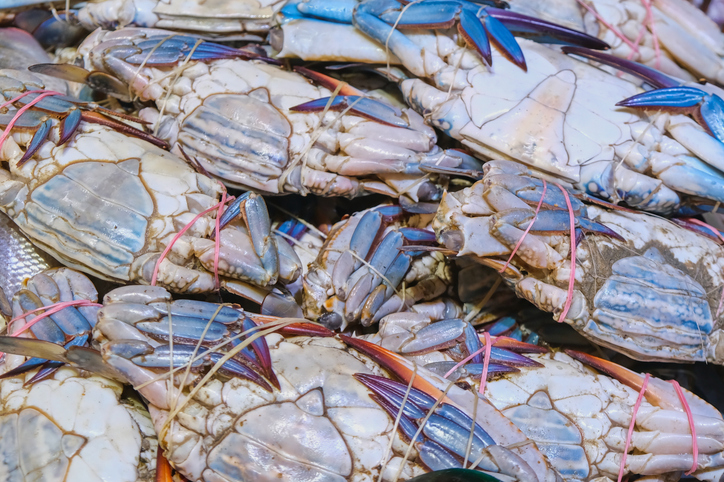
The Chesapeake Bay is seeing a major rebound in its blue crab population this year, according to the latest Chesapeake Bay Blue Crab Winter Dredge Survey.
CBS Baltimore reports that esearchers estimate there are nearly 350 million blue crabs currently in the Bay, marking a nearly 50% increase compared to last year’s total. The survey also found about 228 million juvenile crabs, up 20% from 2025.
Officials with the Maryland Department of Natural Resources say the findings are encouraging after six straight years of below-average juvenile blue crab recruitment. Overall crab abundance is now at its highest level since 2019.
“It’s very encouraging to see higher levels of blue crabs and juveniles, especially after a few years of lower juvenile recruitment,” said Mandy Bromilow, the department’s blue crab program manager. “However, we’ll still have to remain vigilant about the population, given that we have seen declines since 2011.”
The survey found the number of adult male crabs increased by more than 43% from last year. However, the population of adult female crabs dropped by 25%, continuing a trend that has concerned environmental groups and fisheries scientists.
DNR officials say the harsh winter likely contributed to the death of many crabs, particularly adult crabs. Despite this year’s rebound, the agency noted that the Bay’s blue crab population has still experienced an overall decline over the past decade without one clear explanation.
The survey was conducted jointly by Maryland and Virginia officials.
The Chesapeake Bay Foundation says the estimated 349 million crabs is still slightly below the long-term average of 400 million. Last year’s estimate of 238 million crabs was the second-lowest total recorded since the survey began in 1990.
Environmental advocates say the increase in juvenile and male crabs could lead to a stronger crabbing season and more summer crab feasts across the region. Still, experts warn that declining adult female crab numbers remain a major concern because female crabs produce millions of eggs and are critical to rebuilding the population.





