Kevin Liles Speaks on Maryland’s PACE Act Protecting Artists
LISTEN: Kevin Liles Explains Why Maryland’s PACE Act Is Bigger Than Hip Hop On The QSMS

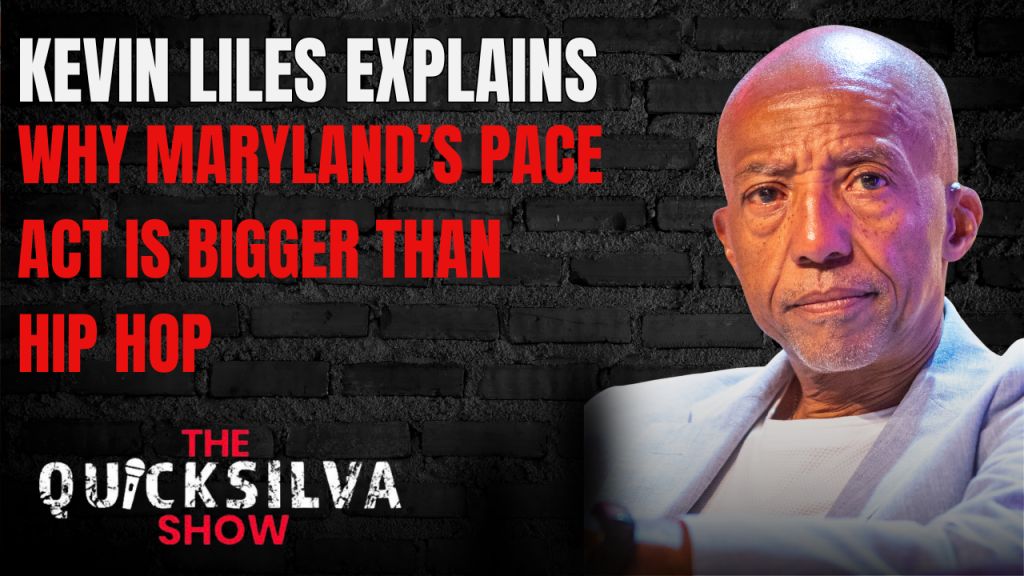
Baltimore music executive and entertainment icon Kevin Liles is speaking out about the newly passed PACE Act, a law designed to protect artists from having their lyrics unfairly used against them in court. During a recent radio interview, Liles explained why the legislation is personal to him and why he believes it is an important step forward for creatives, especially within hip hop culture.
The Protecting Artistic Creative Expression Act, also known as the PACE Act, aims to limit prosecutors from using song lyrics and other creative works as evidence in criminal cases unless they are directly tied to a crime. Liles referenced the high profile legal situation involving rapper Young Thug, explaining that artists should not automatically have their lyrics treated as literal confessions.
“If it was a case, I wouldn’t be here,” Liles said during the interview. “But because this is targeted at my culture, at the very people that have fed my family and changed our lives, not on my watch.”
At the same time, Liles made it clear that freedom of speech does not excuse criminal behavior. He explained that if someone openly details an actual crime they committed through music, social media posts, books, or other content, prosecutors can still use that material as evidence.
Liles also used the conversation to address what he described as a growing culture of clout chasing and violence among young people. He encouraged listeners to focus on entrepreneurship, ownership, and long term success rather than seeking fame through negativity or criminal activity.
The Baltimore native emphasized the importance of reprogramming how young people view success, saying more attention should be given to Black entrepreneurs and business leaders instead of harmful stereotypes. He pointed to figures like Robert F. Smith and Bob Johnson as examples of the type of success that deserves more recognition.
Supporters looking to learn more about the PACE Act and advocacy surrounding artistic freedom were encouraged to visit Free Our Art and follow the organization online.
Liles closed the interview by celebrating Maryland’s role in protecting artists and encouraging young creatives across Baltimore and the DMV to continue pursuing their dreams responsibly.
“You’re now protected here in my state of Maryland,” he said. “But don’t be stupid. Don’t be dumb.”