Maryland reports rise in mumps cases, risk to public remains low
Maryland Reports Rise in Mumps Cases, Most Linked to Baltimore Area

The Maryland Department of Health is reporting an uptick in mumps cases across the state, with 26 total cases identified so far in 2026, including 19 confirmed and 7 probable infections as of February 19. Health officials say the overall risk to the public remains low, largely due to high vaccination rates against the disease.
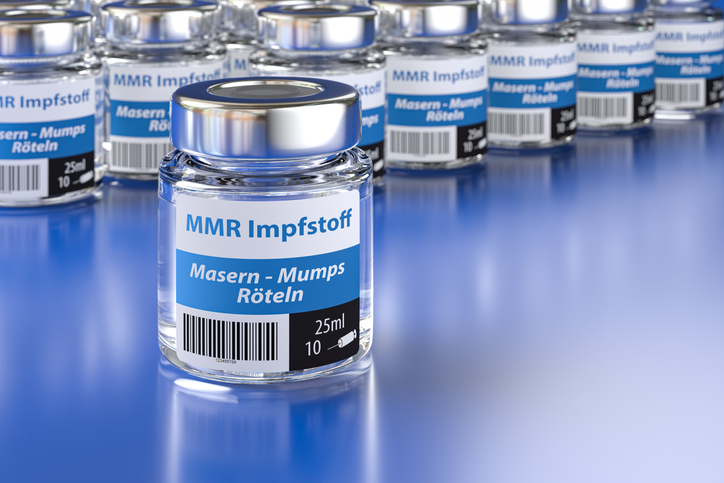
According to Deputy Secretary for Public Health Services Dr. Meg Sullivan, the most effective protection against mumps is the Measles, Mumps, and Rubella vaccine, commonly known as MMR. The two-dose vaccine series is routinely given in childhood, with the first dose recommended between 12 and 15 months of age and the second between 4 and 6 years old. Health officials are urging residents to check with their health care providers to ensure they and their families are up to date on vaccinations.
Mumps is a viral infection that spreads through saliva or respiratory droplets, typically appearing two to four weeks after exposure. Recent cases have primarily involved adults in the Baltimore metropolitan area, though officials note that infections can occur at any age and in any part of the state. The health department is working with local partners to determine whether cases are linked, but no single source has been identified.
The hallmark symptom of mumps is parotitis, a painful swelling of the salivary glands on one or both sides of the face, often accompanied by fever. Early symptoms can include low-grade fever, fatigue, loss of appetite, and respiratory issues. While the swelling usually lasts three to seven days, other respiratory illnesses, including influenza, can also cause similar gland swelling.
There is no specific antiviral treatment for mumps beyond managing pain and fever. Most people recover fully, but serious complications can occur, particularly in adults. These may include inflammation of the testicles, ovaries, or breast tissue, pancreatitis, hearing loss, meningitis, or encephalitis.
The MMR vaccine is covered by most insurance plans and is also available through the Vaccines for Children program. Uninsured or underinsured adults can contact their local health department about free vaccination options through the Maryland Vaccine Program. Officials note that the MMR vaccine also protects against measles, which is currently circulating in parts of the United States and internationally.
Anyone who develops symptoms consistent with mumps is advised to contact a health care provider or local health department promptly for evaluation and possible testing.