Maryland Colleges Can Now Pay Athletes

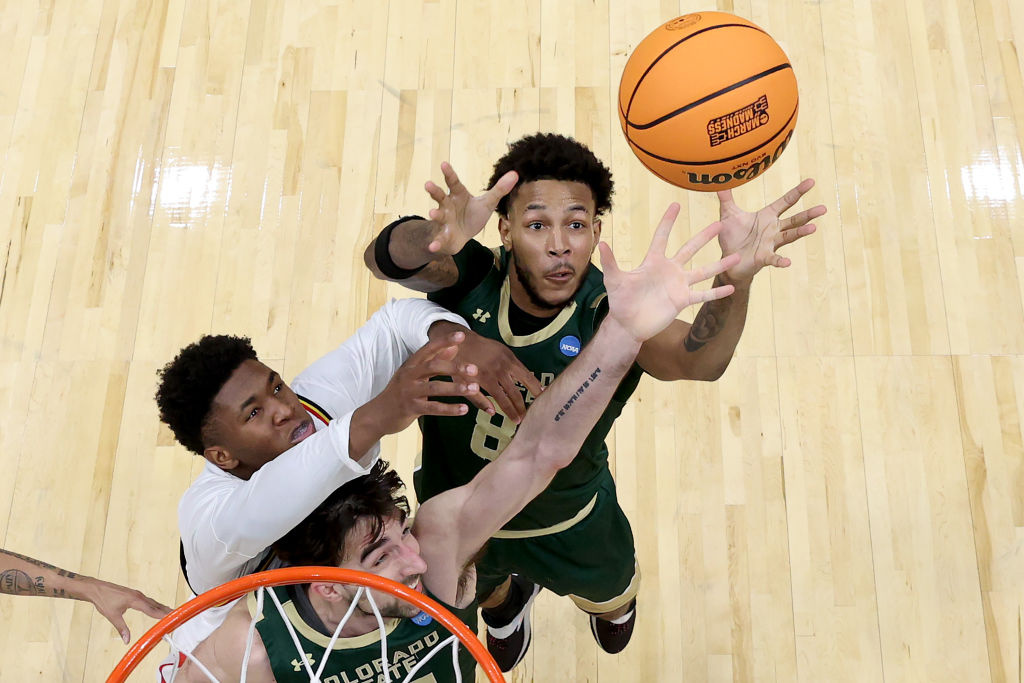
Big changes are coming to the college athletic world! Staring July 1st, Division I schools will be allowed to pay athletes directly. This is a result of a settlement ending three antitrust lawsuits against the NCAA, now giving athletes a portion of the resources they help generate for the first time in the history of college sports. The University of Maryland announced it plans to spend the maximum allowed amount on its players. Some nonpower conference local schools will also participate, while others are opting out. Here’s everything you need to know before July 1.
What’s going on?
NCAA Division I schools can pay student athletes directly through what will be known as revenue sharing starting Tuesday. Schools can pay their athletes up to $20.5 million of the revenue their athletic departments generate. It will be up to schools individually to decide how to allocate that across sports. Most expect football and men’s basketball to lead the way.
The $20.5 million figure is expected to rise incrementally every year, similar to how the NFL’s salary cap increases annually, proportional to the league’s revenue. In addition to introducing revenue sharing, schools that opt in will also be forced to help pay $2.8 billion in back pay to former NCAA athletes who competed since 2016. The University of Maryland’s share of that is $1.5 million annually over the next decade. Scholarship limits will also be increased for all sports, the Terps announced earlier this month.