Do you struggle with an air conditioner that keeps turning on and off?

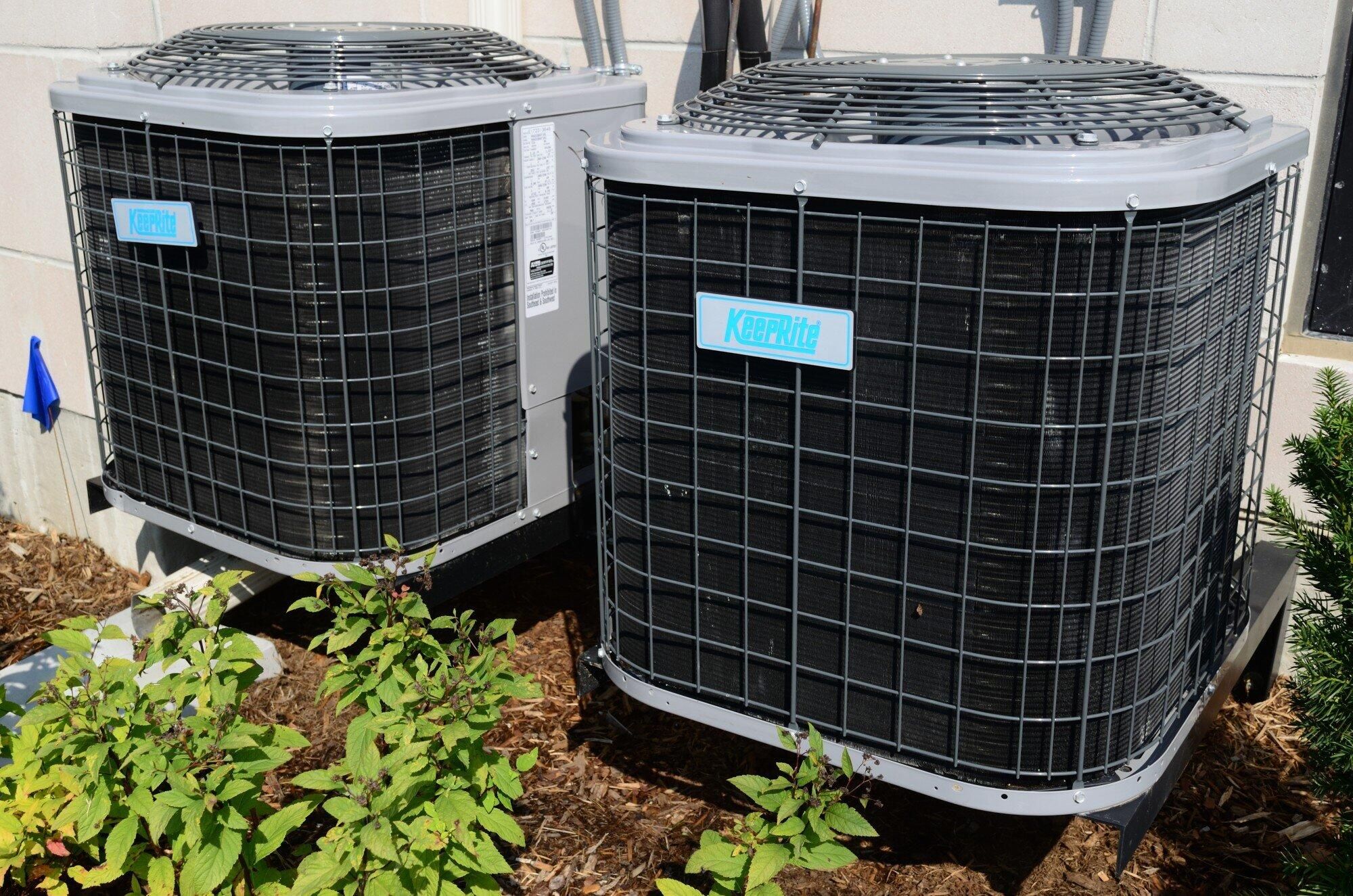
If your air conditioner turns off before cooling down your home, AC short cycling might be your issue. Inspect the filter and review your thermostat settings first. If the behavior remains the same, schedule a professional inspection rather than resetting your AC system over and over again.
According to SaveOnEnergy’s August 2026 Electricity Bill Report, the average household electricity bill has reached $159.14 in America. That makes a struggling cooling system worth your attention. Before you aren’t able to enjoy your favorite playlist on another hot day, learn about the necessary checks.
Identify AC Short Cycling
Air conditioners turn off after reaching a certain temperature setting. Short cycling is defined as equipment that repeatedly starts and turns off without completing the entire cycle of cooling.
Pay attention to whether frequent AC cycles result in warmer rooms than the thermostat indicates. Write down the time when your AC unit starts and the time when it turns off.
Filter and Airflow Inspection
Dust particles can transform a regular filter into an obstacle for airflow. According to ENERGY STAR, filter inspections are required monthly, and clogged air filters can increase energy bills and even damage the equipment.
Before you begin the filter inspection process, turn off the equipment. Follow the manufacturer recommendations for cleaning or replacing the filter. Choose the proper filter size and don’t force it into the unit.
Also, keep all the furniture away from the return grilles. Note the weak airflow and inform a technician about it to inspect the system more deeply.
Inspect the Thermostat Settings
Check the cooling schedule before you assume what caused the thermostat failure. Maybe the programmed temperature change is the reason for early cooling stop.
Make sure that your thermostat is set to cool. In case the display is blank, find the battery instructions in the manual. Leave all wiring testing to a professional.
Have Refrigerant Issues Identified
Refrigerant is a component that transports the heat out of your house. Low levels can affect cooling, but unusual cycles alone won’t be able to show you the refrigerant leakage.
According to the EPA, homeowners need to require proper refrigerant repair instead of just adding refrigerant to the system. Ask the technician to check for refrigerant leaks before any replenishment. This job can be done only by certified personnel.
Electrical Components Testing
A clicking sound alone will not identify faulty components in your system. Request electrical testing before you approve capacitor replacement. Capacitors can remain charged even after the system was shut off, so it is not a job for a homeowner.
If basic checks do not explain the problem, professional air conditioning repair can help identify the cause. Request an estimate in writing, explaining the results of your inspection. Don’t inspect any electrical components yourself.
Consider the System Size
An oversized air conditioning unit cools the room quickly but not enough to remove the humidity. If the problem appeared recently, you can ask a technician to perform a detailed cooling load calculation. It will help to determine if the equipment suits your house and not to rely only on floor space.
Take Action Right Now
Diagnose the problems with AC short cycling using your observations. Keep the service records to provide the technician with information about changes.
Explore our website further for music and lifestyle tips.