How viral videos are changing personal injury cases

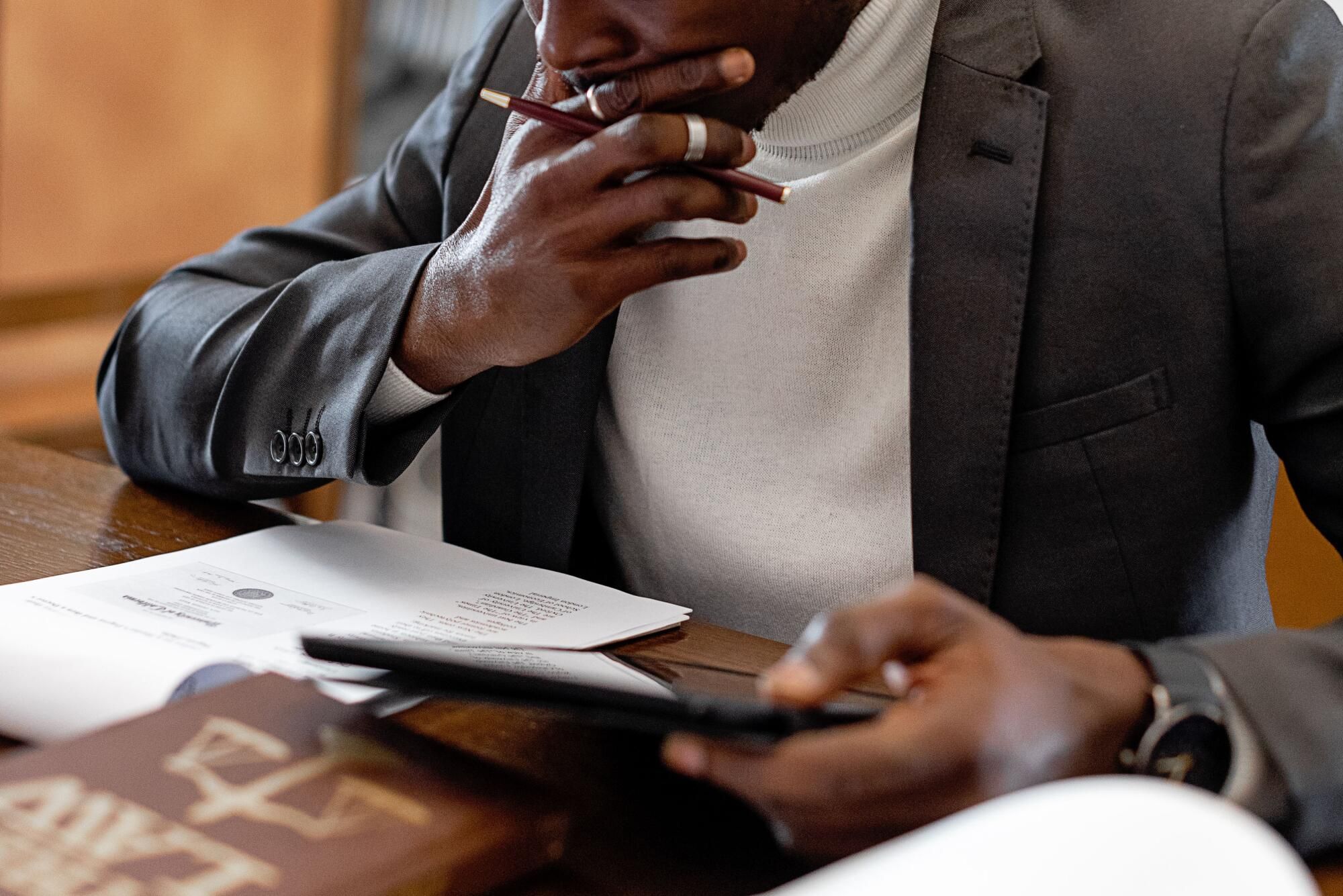
Solid evidence is vital to proving negligence in personal injury cases, and viral videos can provide powerful instant proof to elevate a case and reach a settlement. They can quickly garner attention that applies social pressure regarding the legal outcome. However, they can create bias or privacy violations, so lawyers must be careful how they incorporate them.
The National Safety Council reported that in 2024, 54.5 million people needed medical attention due to a preventable injury. If these cases settled, some proof was needed, and videos are one of the best forms of evidence.
What Is the Impact of Viral Videos on Personal Injury Cases?
One of the links between legal outcomes and videos is the public awareness it can create. Once something is uploaded on TikTok or YouTube, it can instantly go around the world and be shared repeatedly. As a result, some cases that may have fallen through the cracks get major media attention, which can put pressure on the law.
Viral video evidence taken at the right moment and position can show exactly:
- What happened
- Who was there
- What time it occurred
- Where they were
For example, if two people got into a serious altercation where both are initially blamed, a bystander with a smartphone or nearby surveillance video recording the incident can show who threw the punch or used a weapon unprovoked and who may have responded in self-defense.
How Can They Be Risky?
The use of video in personal injury strategy can be met with skepticism due to technological advances. While smaller phones and integrated video equipment make it easy to capture video anytime, other technology can create liabilities.
There is a flood of deepfake AI footage on social media that increasingly causes more people to doubt what they’re seeing, even when it’s a real video.
Those in possession of such video should be careful regarding privacy laws. Doing so may hurt a pending claim or break local rules.
A short clip may also cause bias by showing part of what happened without the full context. For example, it may show someone going off and reacting to something that wasn’t captured on the recording.
Insurance Claims
Experienced injury lawyers usually tell clients to avoid posting on social media while their case is pending. That’s because insurers will check your content for anything that contradicts your injury claim to avoid paying a settlement.
Even if you post a video taken before the accident, they may still try to use it against you. Maybe you’re having a good day and feeling better temporarily; Insurers may use that to say that your injury isn’t so bad after all.
Record and Post Carefully
Personal injury cases often require proof to establish liability and negligence. Viral video can be a very useful tool, but people should be careful with it regarding the law. These videos can be part of a savvy legal strategy to test whether someone is telling the truth and show the exact moment something happened and who caused an incident that hurt someone.
Learn more about personal injury and your legal rights from other articles on our website.