Hidden reasons your home always feel dusty

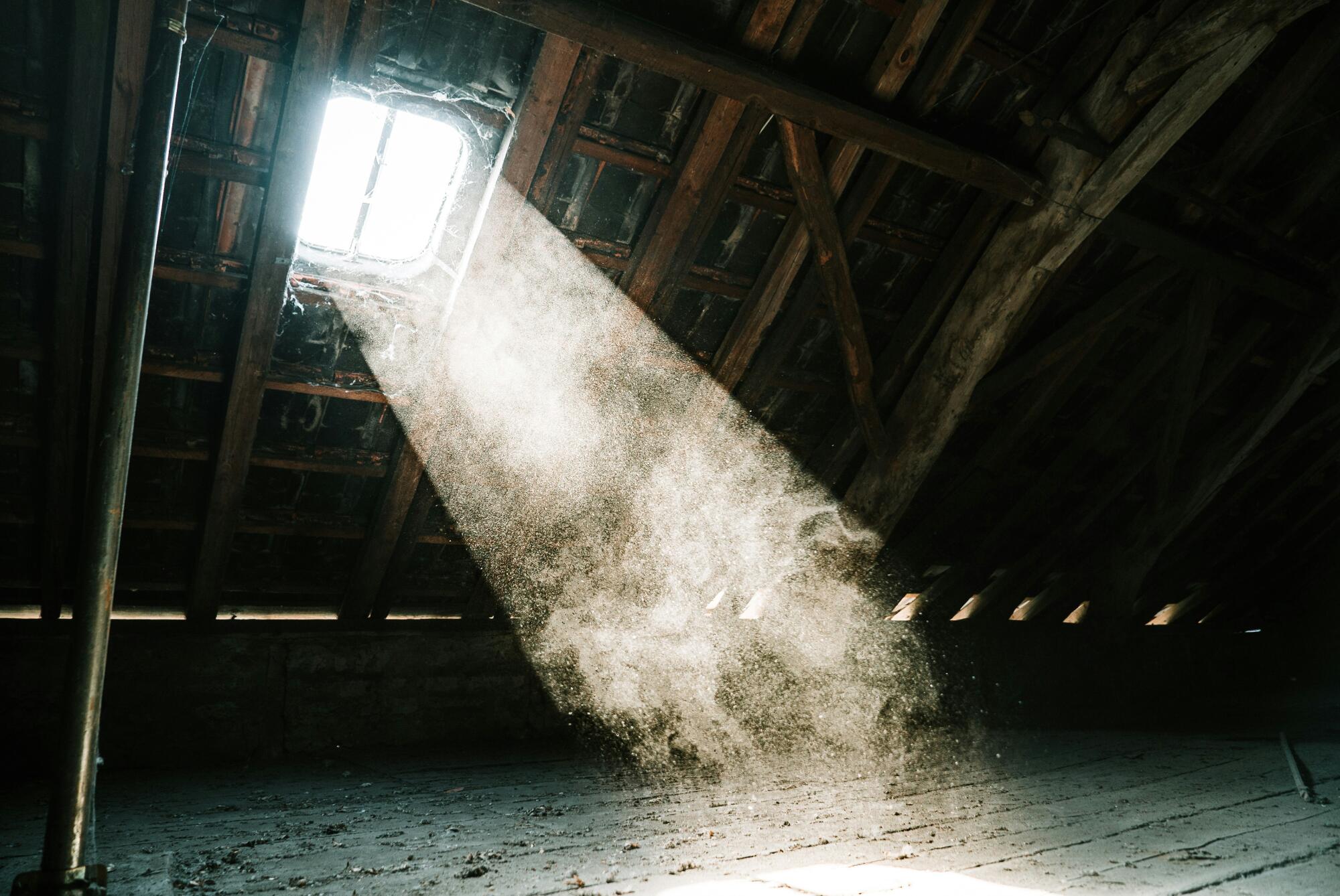
Some reasons why you are not able to have a dust-free home are unclean HVAC filters, leaky ductwork, carpets and rugs that aren’t cleaned properly, and bedding that’s trapping dust. You can prevent a dusty home, but it takes effort.
Dust isn’t just about the aesthetics of your home; it can also cause allergies, increase sneezing, and cause other respiratory distress symptoms, according to the American College of Allergy, Asthma, and Immunology.
If you are the kind of person who likes a clean house, you are probably frustrated by how quickly dust settles in your home, even minutes after you’ve cleaned it! You want to reduce home dust, but you have no idea where it all is coming from.
There are many causes of household dust, and the more awareness you have of these causes, the easier it will become for you to control the amount of dust in your home. You might even end up preventing dust in your home entirely.
HVAC Filters May Need Attention
When was the last time you changed your HVAC filter? If you aren’t sure, or it’s been a while, this could be one of the most important causes of household dust that you can fix right away.
Heating and cooling systems circulate air throughout the home. When filters become clogged or are not designed to capture the types of particles present in a household, dust can continue circulating through the air and settling on surfaces.
Checking filters regularly and replacing them according to the manufacturer’s recommendations can help improve indoor air quality.
Leaky Ductwork Can Spread Dust
Even a clean filter cannot fully solve a dust problem if the ductwork has leaks.
Cracks or gaps in ducts can allow dust and particles from attics, crawl spaces, walls, or other areas to enter the ventilation system. The HVAC system may then distribute those particles throughout the home.
Professional inspection and appropriate sealing may help address hidden sources of airborne dust. You can also set up an expert cleaning of ventilation ducts to ensure that you start from a dust-free place.
Carpets And Rugs Trap Particles
Soft flooring can collect dust, dirt, pet hair, and other particles.
Every time someone walks across a carpet or rug, some of those particles can become airborne again. Regular vacuuming helps, but high-traffic areas may require more frequent cleaning.
Professional deep cleaning can also help remove particles that settle deep within carpet fibers.
Bedding Can Contribute To Dust
Mattresses, pillows, blankets, and upholstered furniture naturally collect skin cells, fibers, and other particles over time.
Regularly washing bedding, vacuuming mattresses when appropriate, and cleaning upholstered furniture can help reduce the amount of material circulating indoors.
Bedrooms may require special attention because soft surfaces are especially common in these spaces.
A Dusty Home Needs Extra Cleaning Care
It’s not easy dealing with a dusty home. You might wonder if you aren’t cleaning your home properly, but sometimes the dust in your home is because of external factors.
Please check out related articles on our website for more interesting content.