The rising role of visual storytelling in casual dining spaces

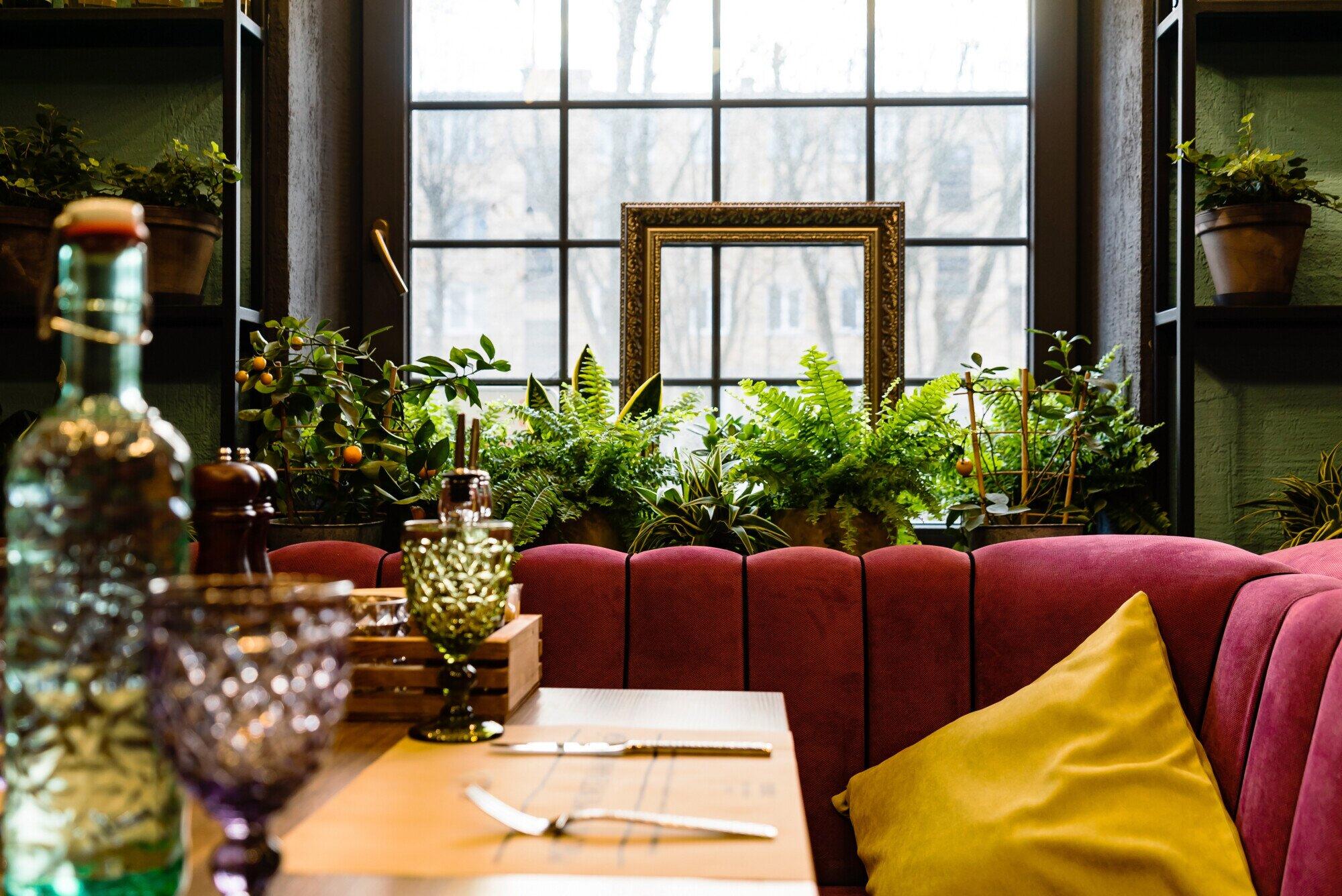
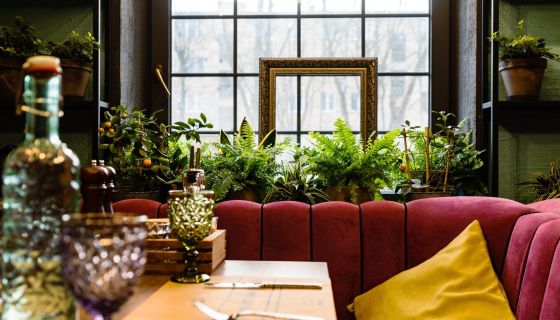
Customers are increasingly demanding more engagement when dealing with brands, and restaurants are no different. By investing in the art of visual storytelling, your eatery can create an immersive experience beyond food through wall photos, murals, menu design, and seating options.
According to Restroworks, 65% of customers say menu photos heavily influence their restaurant choices, and 74% also use social platforms in this decision. Therefore, telling your restaurant’s story through different means, including social media, Google Business Profiles, thoughtful decor, and exterior murals, can impact revenue.
What Is Visual Storytelling?
The use of visual media such as art, data visualization charts, and photography can convey narratives, messages, and emotions that engage audiences and build a brand. It matters because it covers all the senses, so people can better process and remember information than by simply reading a story alone.
How Does Visual Storytelling on the Menu Create Engaging Dining Experiences?
Using high-quality images and narrative-driven content on your wall menu, social media posts, and online menu card design showcases the story of your food that people increasingly want to know. For example, highlight if your ingredients are only locally-sourced, coffee was produced sustainably in Ecuador, or if your standout dish was something passed down from a family recipe.
Visual storytelling in how you present your food can help people make faster decisions, especially those who may be vegan, gluten-free, high-protein, keto, etc. Even the font and colors on your menu can add to the overall restaurant theme so that every element immerses the customer.
What Are Some Tips for Dining Ambiance Enhancement?
Have you ever walked into a cozy pizza joint in New York and noticed the photos along the wall? Those photos may be family photos of the original owner who started the family restaurant generations ago, or sometimes famous and non-famous neighborhood fans who come in for a slice. Capture your audience and your success story in the same manner.
Not sure what to do with that wall space beyond photos? You may have the perfect canvas for a bold mural showcasing the local culture and food you’re serving.
Take advantage of the power of art and photos, whether using your authentic candid snapshots or hiring local artists to create commissioned pieces that fit your brand, reflect the community, and the environment you’re trying to create. Some places even have chalkboard walls for patrons to leave a message or their own unique drawings.
Don’t forget how furniture plays a role in your visual storytelling. Selecting pieces that fit your restaurant narrative, such as using reclaimed wood tables to recreate the warmth of Southern cooking in a soul food restaurant or Turkish rugs and traditional Anatolian seating in a Turkish coffee house, can make diners feel like they are in a family kitchen or another country.
Use Modern Restaurant Aesthetics to Create a Memorable Experience
From small cafés to large franchises, restaurant owners have several ways to incorporate visual storytelling through menu configurations, furniture, and displayed photos. Tell the story of your business origins, recipes, and overall theme to immerse customers in a unique experience they won’t hesitate to show on their own social media channels.
If this piece encourages you to tell your own story, check out our website for more articles.