Shavon Arline Bradley On Black Women & 100 Years of Black History
Rev. Shavon Arline Bradley Reflects On 100 Years of Black History And the Power Of Black Women

- Black women's resilience, innovation, and faith have sustained progress despite ongoing struggles for equality.
- Political participation is essential, as every decision impacts Black communities, who must be represented.
- Stepping back to care for oneself can be a strategic pause, not disengagement, in the continued fight for justice.
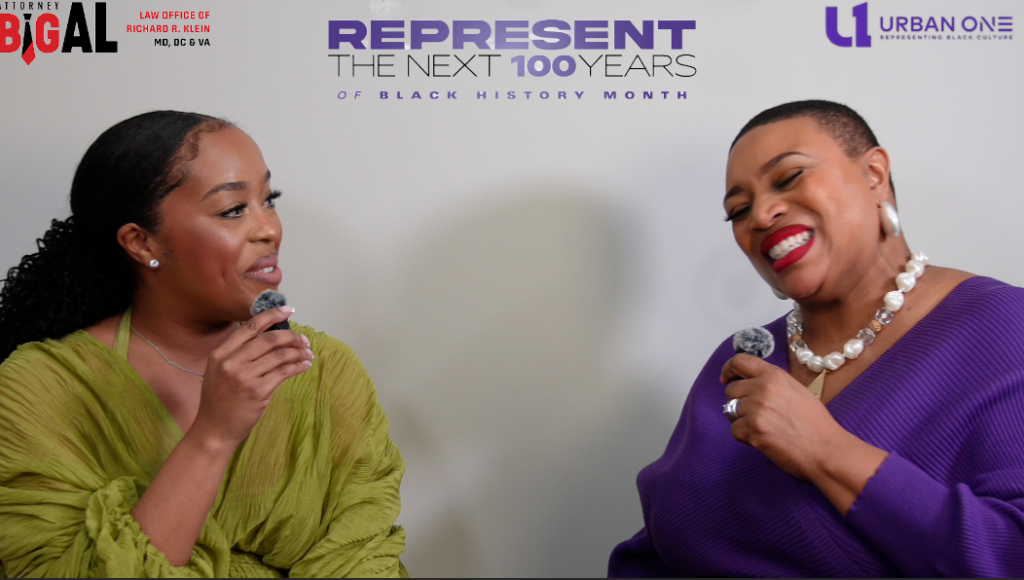
As Black History Month marks a historic 100-year milestone, Urban One is spotlighting leaders shaping the legacy of the past century while guiding the path forward. Among them is Reverend Shavon Arline Bradley, executive director of the National Council of Negro Women and founder of R.E.A.C.H, whose work continues to impact Black communities nationwide.
In a candid conversation with Urban One’s Chey Parker, Rev. Bradley reflected on what this centennial moment means. She pointed to the enduring role of the Black press and the power of Black people telling their own stories as central to progress over the last century.
“When I look at the last 100 years, particularly for Black women, we have seen historic firsts alongside ongoing struggles,” Bradley said. “Our organization was founded around the social, political, and economic advancement of Black women and families. A hundred years later, we are still fighting for those same issues. So yes, we celebrate accomplishments, but we also know there is more work to do.”
Bradley described the current political climate as a “great rollback,” referencing challenges to voting rights, diversity initiatives, and civil liberties. Yet she emphasized that faith and collective resilience remain sources of hope.
“Black people’s resilience, innovation, and intention have always carried us through,” she said. “The God we serve and the Blackness we carry is the swagger that wins every time.”
The conversation also addressed growing fatigue among Black women, particularly following recent elections and policy shifts that have disproportionately affected Black workers and families. Bradley acknowledged that exhaustion is real, but framed it as a strategic pause rather than disengagement.
“Black women have not stopped working. We have changed how we work,” she said. “Sometimes stepping back is power. It allows us to redirect energy toward caring for ourselves and our families while preparing to reengage.”
She pointed to renewed civic efforts such as NCNW’s Power Up initiative aimed at increasing voter engagement ahead of upcoming elections. Bradley stressed that political participation is inseparable from daily life in America.
“You do politics when you wake up,” she said. “Every decision in this country is made around you and for you. If you are not represented, decisions will be made without you.”
Closing the conversation, Bradley offered a message to Black women who feel overwhelmed or discouraged. Drawing on faith, she affirmed their worth and purpose.
“The end is not yet,” she said. “Every day you wake up is another opportunity. You are more than enough, which is why you scare people. Your presence is your purpose. Stay in it. We are going to win.”
As Black History Month reaches its 100th year, voices like Reverend Bradley’s underscore both how far the community has come and the work still ahead. For Bradley, the message is clear: the fight continues, and Black women remain at its heart.