AFRAM at 49: The Evolution of Baltimore’s Afro-American Festival
Did You Know? AFRAM Started As A Small Community Festival Before Becoming A Juneteenth Staple

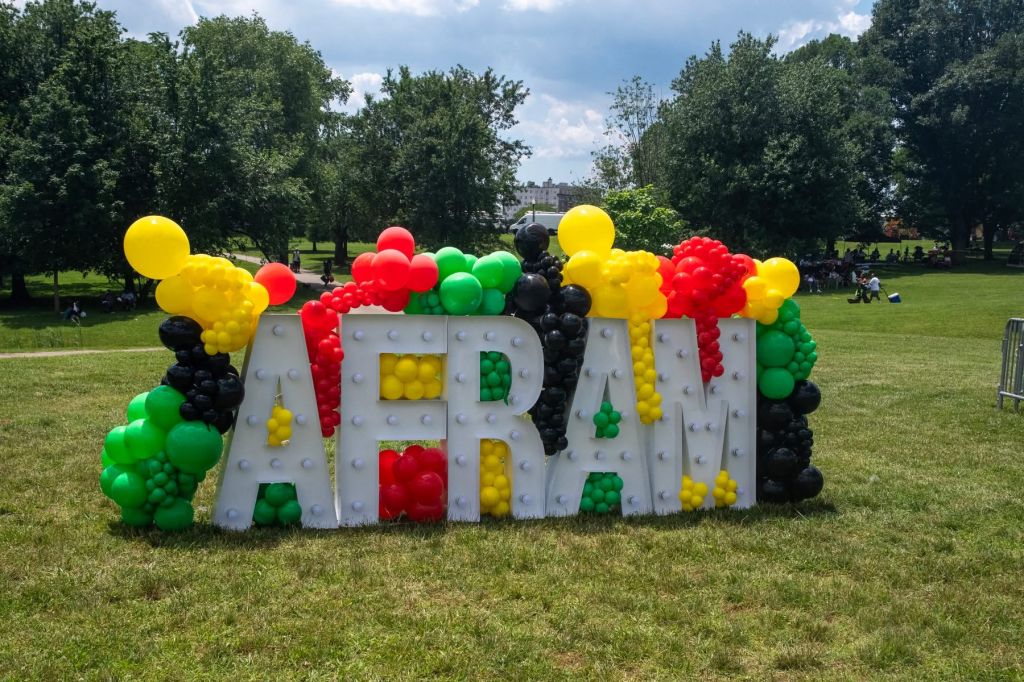
AFRAM, short for the Afro-American Festival, has grown into one of the largest celebrations of Black culture on the East Coast and one of Baltimore’s most cherished traditions. What began as a small community gathering in the early 1970s has evolved into a massive, multi-generational festival that draws hundreds of thousands of people each year to celebrate Black culture, music, history, and joy.
The roots of AFRAM trace back to 1970 with the launch of the Soul Festival, created to spotlight African American food, music, arts, and crafts at a time when those spaces were limited. In 1976, the event officially became AFRAM as part of Baltimore’s Showcase of Nations during the city’s Bicentennial. From there, the festival continued to grow, both in size and significance.
Over nearly five decades, AFRAM has relocated eight times to accommodate its expanding audience, with stops at Charles Center, Camden Yards, and Pimlico. Eventually, it found a lasting home at the historic 745-acre Druid Hill Park, now widely regarded as the festival’s traditional venue. Attendance has ballooned from a modest crowd into an annual turnout of roughly 150,000 to more than 350,000 people, transforming AFRAM from a one-day event into a two-day cultural takeover.
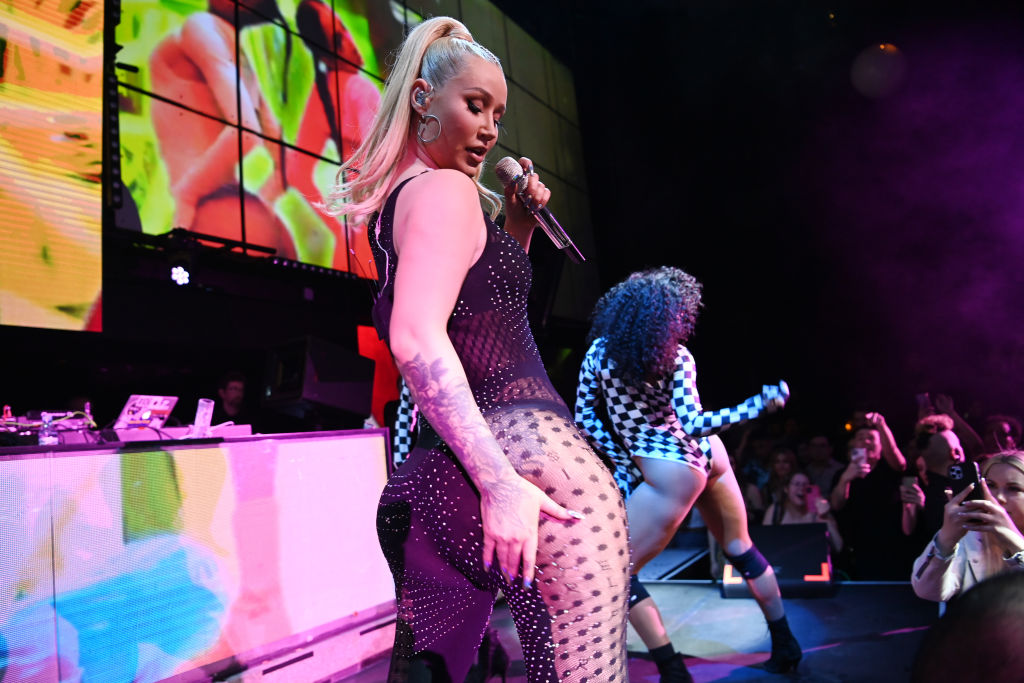
Today, AFRAM is recognized as Baltimore’s official Juneteenth celebration, centering Black excellence and Black joy during a nationally significant weekend. The festival has hosted legendary and contemporary artists alike, including Patti LaBelle, Juvenile, Amerie, and Teedra Moses, while also uplifting local talent, fashion, food, and Black-owned businesses.
Beyond the music and performances, AFRAM serves as a cultural and economic hub, creating a space of safety, pride, and unity. City leaders and organizers have described its modern era as “louder and Blacker,” a deliberate affirmation of Black presence and resilience in Baltimore.
As AFRAM celebrated its 49th year in 2025, its legacy stands as a powerful reminder of how community-rooted traditions can grow into cultural institutions without losing their soul.