
Did You Know? Elijah Cummings’ Lifelong Fight for Baltimore
Did You Know? Elijah E. Cummings’ Lifelong Fight For Baltimore And Beyond

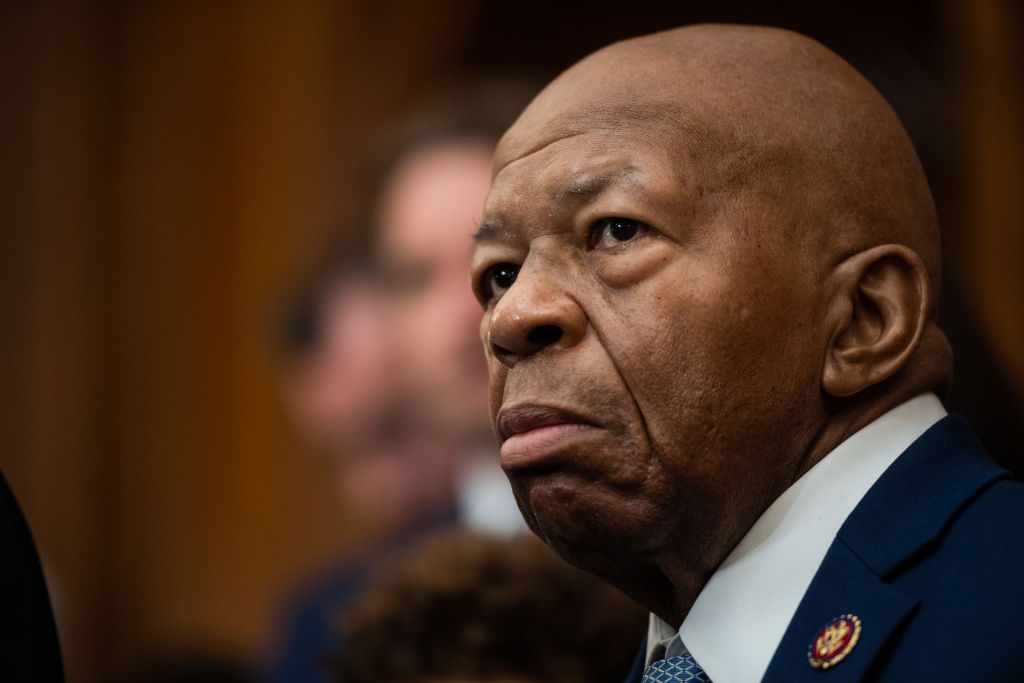
Did you know that the late Congressman Elijah E. Cummings first declared he would become a lawyer at just 11 years old after facing racial violence during a civil rights protest in Baltimore? That early moment of courage would shape a life devoted to justice, equality, and public service.
Born in Baltimore in 1951 to parents who had migrated from South Carolina in search of opportunity, Cummings grew up in a household where faith, discipline, and education were paramount. He famously never missed a single day of school from kindergarten through high school. After graduating from Baltimore City College, he attended Howard University, where he excelled academically and in student leadership, before earning a law degree from the University of Maryland. He later founded a Baltimore law firm dedicated to serving his community.
Cummings entered public office in 1982 in the Maryland House of Delegates, where he became the first African American in state history to serve as speaker pro tempore. He championed economic equity, civil rights protections, and programs addressing challenges facing Black men in Maryland. In 1996, he was elected to the U.S. House of Representatives, beginning a 23-year congressional career defined by advocacy for poor and working-class Americans, especially in Baltimore.
In Congress, Cummings pushed for fair employment policies, drug treatment and crime prevention programs, infrastructure investment in Baltimore, and protections for homeowners during the foreclosure crisis. He also rose to national prominence as chair of the House Oversight and Reform Committee in 2019, where he investigated prescription drug prices, voting rights issues, and executive branch accountability.
Until his death in 2019, Cummings remained deeply connected to his hometown, often saying his mission was to “make their lives better.” Today, his legacy endures as a powerful reminder that leadership rooted in empathy can drive lasting change.