
Did You Know Baltimore’s Shipyards Shaped Black Labor History?
Did You Know Black Baltimoreans Built Wealth And Unions Through 19th Century Shipbuilding?

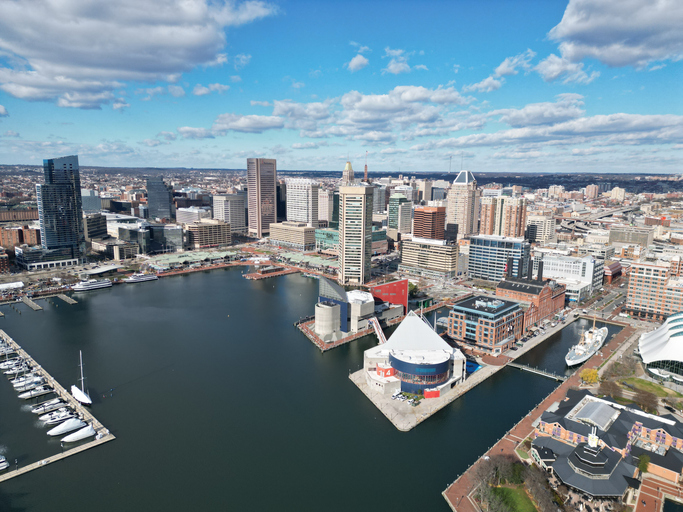
Baltimore’s identity has long been shaped by ships. Its location along a major port and harbor made the city a hub for trade, industry, and, tragically, the slave economy. Ships powered Baltimore’s nineteenth-century growth, carrying goods that fueled industrial expansion and providing labor opportunities that deeply influenced the city’s social fabric. It was through Baltimore’s shipyards that Frederick Douglass first came to know the city, working as an enslaved ship caulker while surrounded by a vibrant Black community whose labor sustained the port.
Today, historic vessels still dominate the Inner Harbor, with the USS Constellation standing as its most recognizable symbol. Public interpretation of the ship often highlights its military legacy and role in suppressing the transatlantic slave trade, presenting a narrative that is compelling to tourists but incomplete. This focus tends to overshadow Baltimore’s dual reality as both a center of anti-slavery patrols and a city whose shipyards produced fast vessels used by enslavers to evade those same efforts. Douglass himself labored on such ships, a reminder of the contradictions embedded in Baltimore’s maritime past.
At the same time, shipbuilding fostered extraordinary Black empowerment. In antebellum Baltimore, ship caulking was an almost entirely Black trade, and Black caulkers formed one of the nation’s earliest labor unions to protect wages and working conditions. After the Civil War, Black-led shipyard enterprises emerged, supported by community investment and collective ambition. These industries offered pathways toward autonomy, even as racism and enslavement persisted.
Baltimore’s ships thus tell layered stories of exploitation, resistance, and progress. By expanding public history beyond celebratory military narratives to include Black labor, entrepreneurship, and struggle, the city can more honestly reflect its past and use it as a foundation for deeper understanding and justice.