
Baltimore’s Major Uprisings That Shaped Black History
Baltimore’s Black History Is Marked By Two Defining Uprisings That Changed the City

Did you know Baltimore has experienced two of the most significant urban uprisings in modern Black American history, each rooted in grief, resistance, and demands for justice?
One of the earliest and most devastating moments came in 1968, following the assassination of Martin Luther King Jr.. Just days after his death, unrest erupted across Baltimore, lasting from April 6 through April 14. What began as mourning quickly turned into widespread civil disorder as residents voiced long standing frustrations over racial inequality, segregation, and economic neglect. By the time calm was restored, the city had recorded six deaths, more than 700 injuries, and over 5,800 arrests.
Entire commercial corridors were destroyed by fire and looting, prompting the deployment of the National Guard and U.S. Army troops and the enforcement of a strict citywide curfew. The scars of 1968 reshaped Baltimore’s neighborhoods and accelerated decades of disinvestment that followed.
Nearly five decades later, history echoed itself.
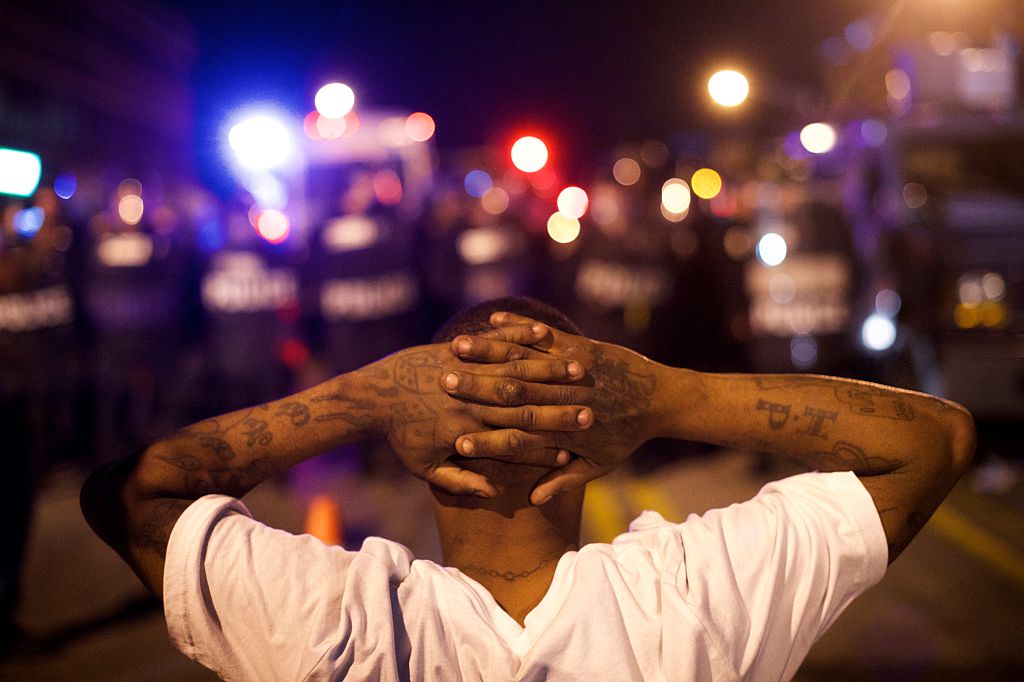
In 2015, Baltimore again became the center of national attention after the death of Freddie Gray, who died from injuries sustained while in police custody. Protests began peacefully but escalated following Gray’s funeral, particularly in West Baltimore. Images of burning buildings, clashes with police, and mass arrests spread worldwide. Once again, the National Guard was activated, a curfew was imposed, and the city confronted hard questions about policing, accountability, and systemic racism.
While separated by generations, both uprisings shared powerful similarities. Each was fueled by deep rooted inequality, strained police community relations, and a sense that Black lives were being undervalued. Together, they stand as defining moments in Baltimore’s Black history, reminding the city and the nation that unrest is often the language of unheard communities.
These moments were not just riots or protests. They were turning points that continue to shape Baltimore’s conversation around justice, equity, and change today.